
Bristol Student Accommodation Update - Have we reached peak PBSA?
In June 2025 I reported that "71% more students are on their way to Southville".
What does the data look like a year later?
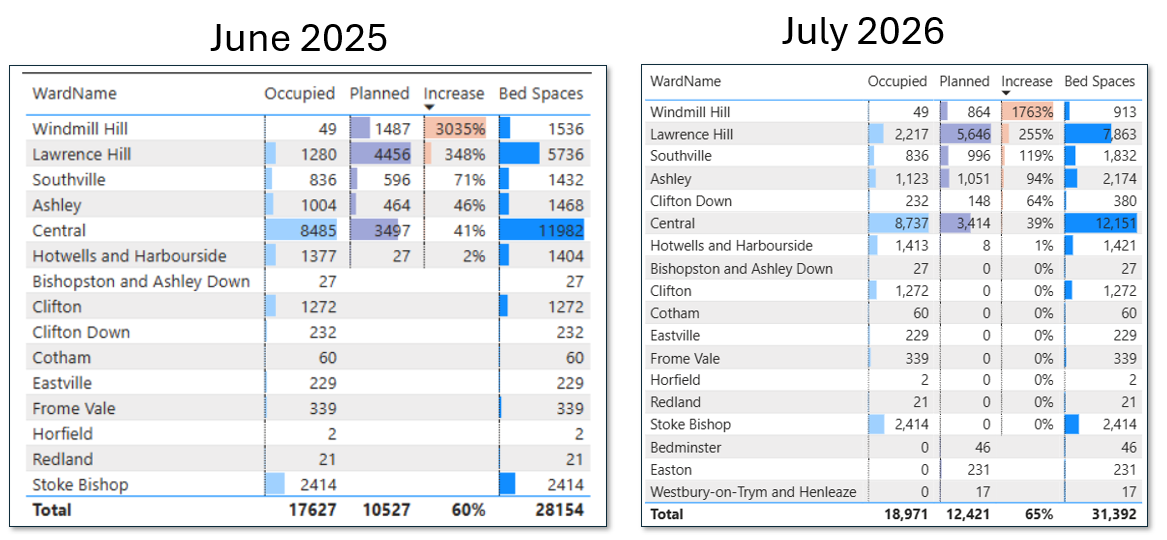
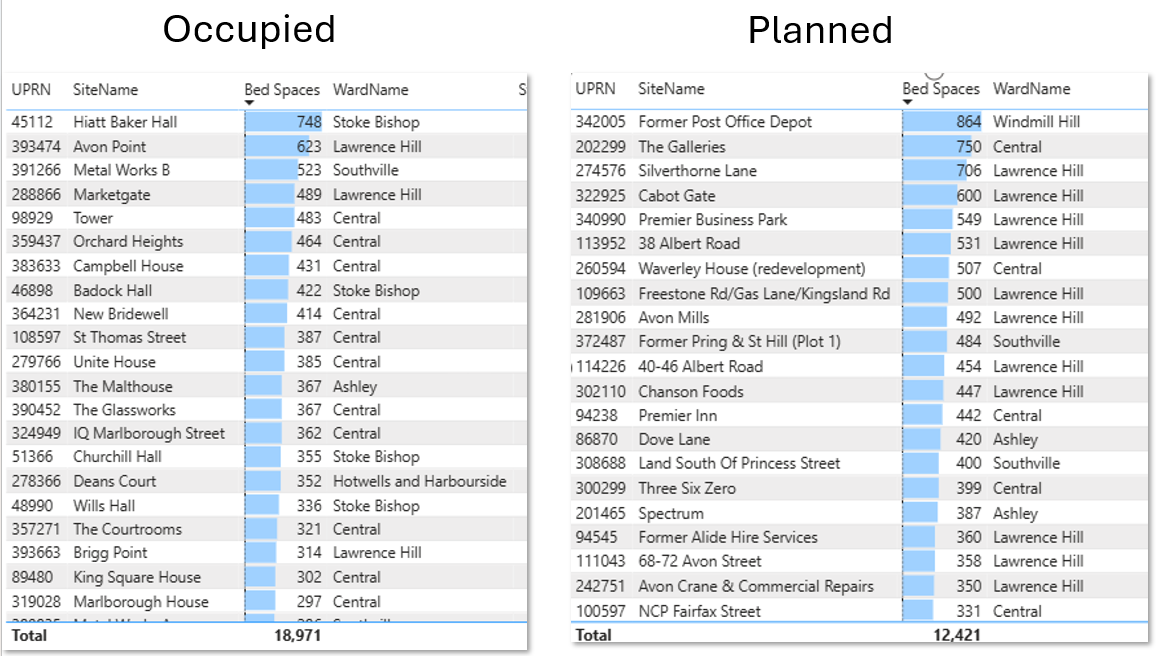
- The number of occupied bed spaces has increased from 17,627 to 18,971 (+1,344)
- The number of planned bed spaces has increased from 10,527 to 12,421 (+1,894)
- The total number of bed spaces has increased from 28,154 to 31,392 (+3,238)
- The increase in student accommodation (bed spaces) in Southville has increased from 71% to 119%
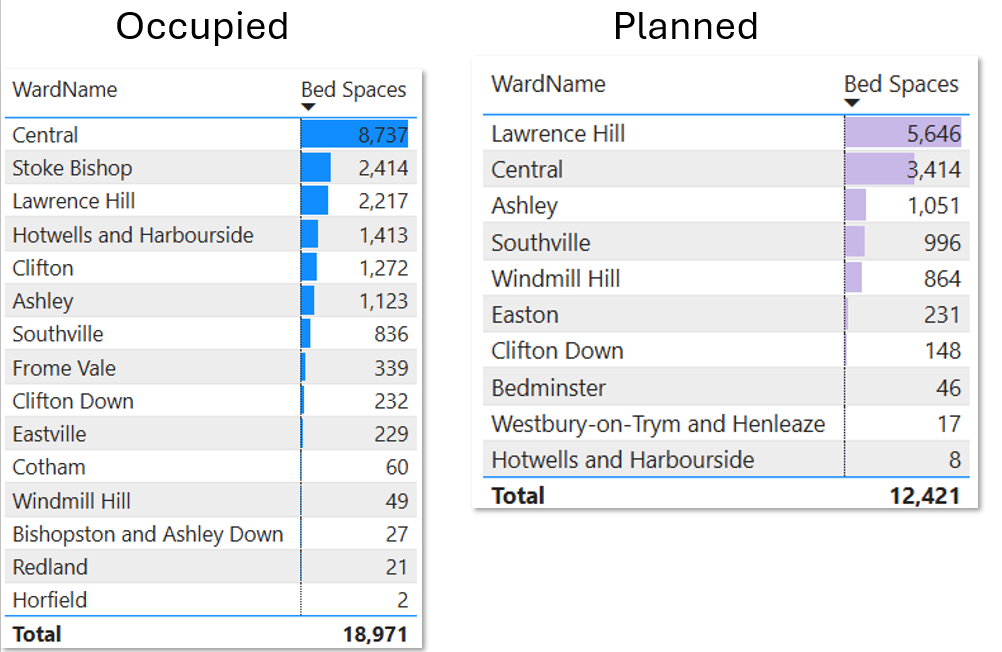
Bed Spaces
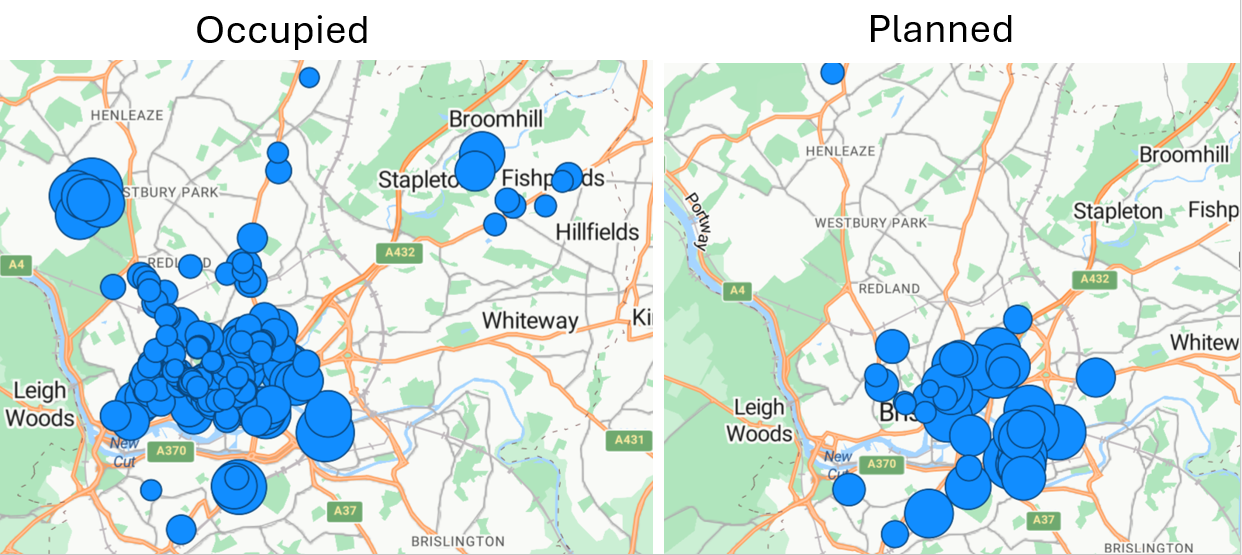
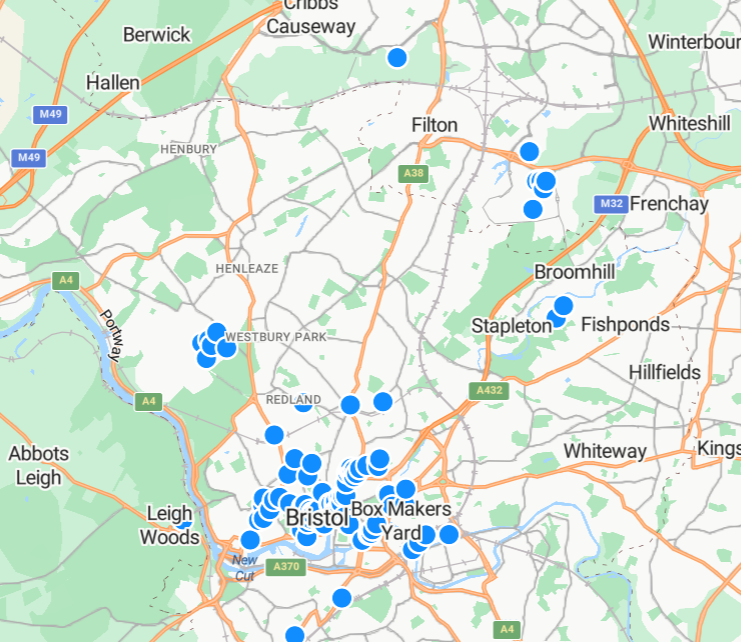
Locations
Largest Sites
What is Purpose Built Student Accommodation (PBSA)?
Discover Why Investing in PBSA (Purpose-Built Student Accommodation) Is So Popular
The financial case for PBSA is particularly strong. These investments typically generate higher yields than standard buy-to-let properties, supported by premium rental rates that students are willing to pay for quality accommodation. Market confidence remains robust, evidenced by an impressive £2.45 billion investment across PBSA in the first half of 2024.
A significant financial advantage of modern PBSA lies in its ability to command substantially higher rents than other types of student accommodation in the same area (like HMOs or university halls of residence). This rental premium stems from the comprehensive package PBSA offers - modern facilities, inclusive bills, enhanced security, and prime locations.
New PBSA developments often come with rental guarantees from credible developers, providing investors with income security during the crucial early period while the property establishes itself in the market. For those interested in off-plan investment, PBSA offers additional opportunities to benefit from below-market entry prices and potential capital appreciation during the construction phase.
What’s happening with the UK’s student accommodation?
The reduction in demand for PBSA beds cannot be entirely explained by the greater shift to commuting, and the Build-to-Rent (BTR) sector is beginning to overlap with PBSA and is often not taken into account in industry projections of supply and demand. The British Property Federation (BPF) Who lives in Build-to-Rent? 2025 report showed that students accounted for 30% of renters in Built to Rent Multi-Family Housing (MFH) across the UK. Again, BTR supply and its availability to students will vary throughout the country. In some urban areas, Leeds would be an example; it is likely that student occupancy is up to 40%. It is clear that the BTR sector has become an attractive, high-quality alternative to traditional student housing, with student occupancy growing. To give an idea of scale, there are around 110,000 BTR MFH units now in the rental market (Knight Frank Q2 Market Update 2025).
A third market, Co-living’, is beginning to expand, particularly in London, Birmingham and Manchester. But according to Savills Co-Living Supply February 2025, there are only 9,000 operational units and an additional 5,500 to 13,000 units currently under construction or in the planning pipeline. So their effect on PBSA demand is, at present, negligible.
The Renters Rights Act will redefine tenure with the near-universal assured shorthold fixed term tenancies ending from May 1 2026, when that aspect of what is wide-ranging legislation comes into force. PBSA who are members of the Government approved ANUK/Unipol Code are largely exempted from the provisions of this Act because they are being granted ‘specified status’ which brings them in line with the university’s own accommodation. This will enable the issuing of common law tenancies, which can impose a fixed term on a contract with a student. There are, however, still risks for PBSA.
There is real risk here because no one knows how the effects of this major piece of legislation will play out: will PBSA look less attractive because it does not provide tenure flexibility to its tenants, or will off-street landlords letting to students start moving towards catering to non-student lettings, in which case off-street supply could reduce, making PBSA more attractive to returning students?
In any event, as the PBS sector becomes nervous about falling occupancy levels, these legislative changes – which may have real impact – on the sector could not have occurred at a worse time.
It is now generally thought that the previous rapid growth of PBSA screeched to a halt over Covid because of a mixture of higher build cost, higher interest rates and higher operational and regulatory costs. But it is now becoming clear that although the decline in new bed spaces coincided with Covid, a decline from 2018 was already ‘in the pipeline’ and taking place.
Many previous PBSA investors are now moving into the more traditional house building area, and particularly Build to Rent (BTR) or co-living: the latter having some overlap with student accommodation.
Bristol Freestone Island
In 2024 Unite was presenting Freestone Island as a fairly attractive development investment. Its July 2024 investor presentation showed it as 500 beds | planned 2026 delivery | 7.3% development yield.
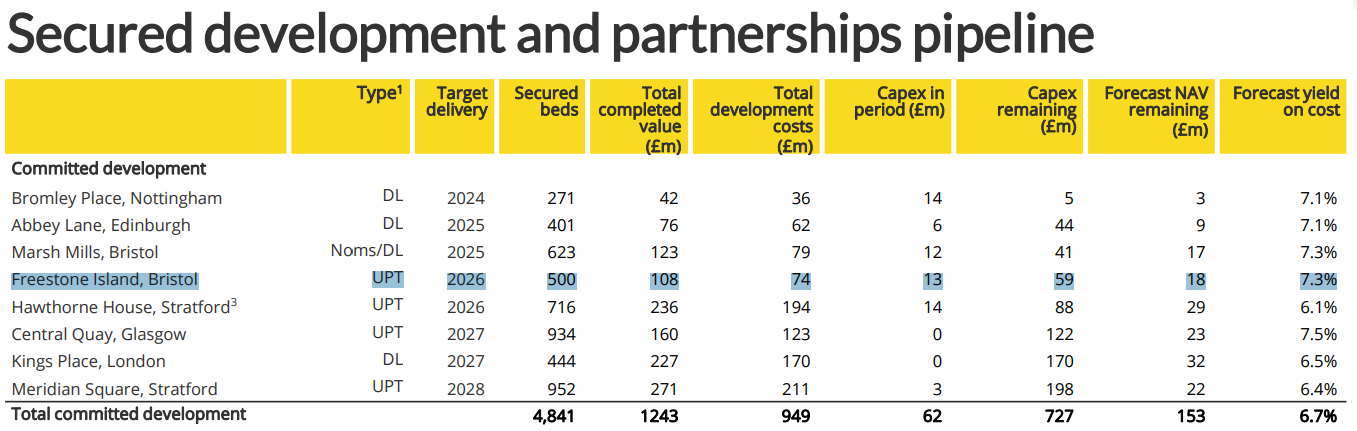
Construction was subsequently delayed by the new Building Safety Act approval process, and Unite pushed the expected opening back to 2027.
The Building Safety Act introduced three gateways for construction of new high rise buildings and has added around six months to development programmes. Delays in reviewing applications as the new regulatory process is implemented have unfortunately resulted in the delivery of our Freestone Island development in Bristol being delayed until 2027.
Then in January 2026 Unite deferred the project.
The country’s biggest student accommodation developer this morning said it had deferred delivery of its 500-bed Freestone Island scheme in Bristol while it explores options to secure “best value” from the project.
The move releases around £55m of capital that had been earmarked for construction.
The revised strategy underlines a wider slowdown in new PBSA supply across the UK, with Unite pointing to worsening scheme economics and regulatory drag.
Planning activity has also dried up, with 2025 seeing the lowest number of PBSA planning submissions in the past five years.
Industry data from CBRE, Cushman & Wakefield and Unite shows net new supply growth falling sharply, with deliveries in 2026 amounting to just a low-single-digit percentage of existing stock and further easing expected into 2027.
What do Students think of their accommodation?
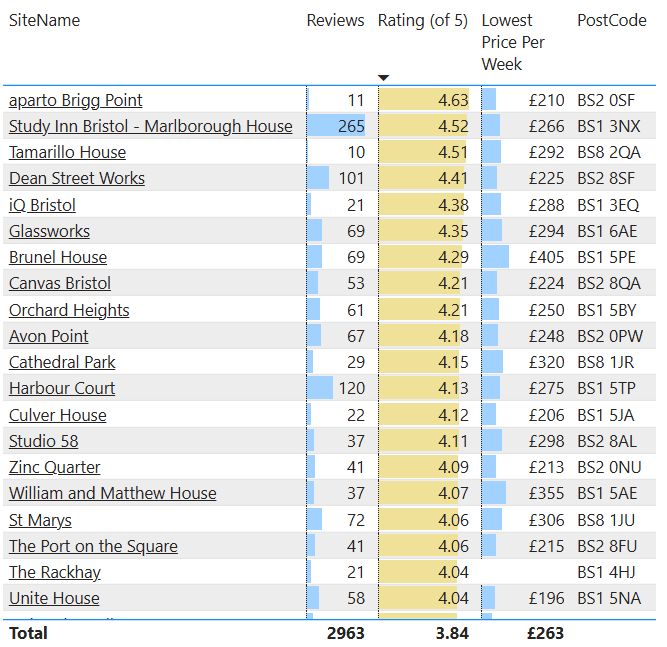
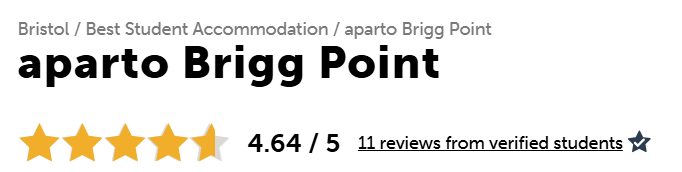
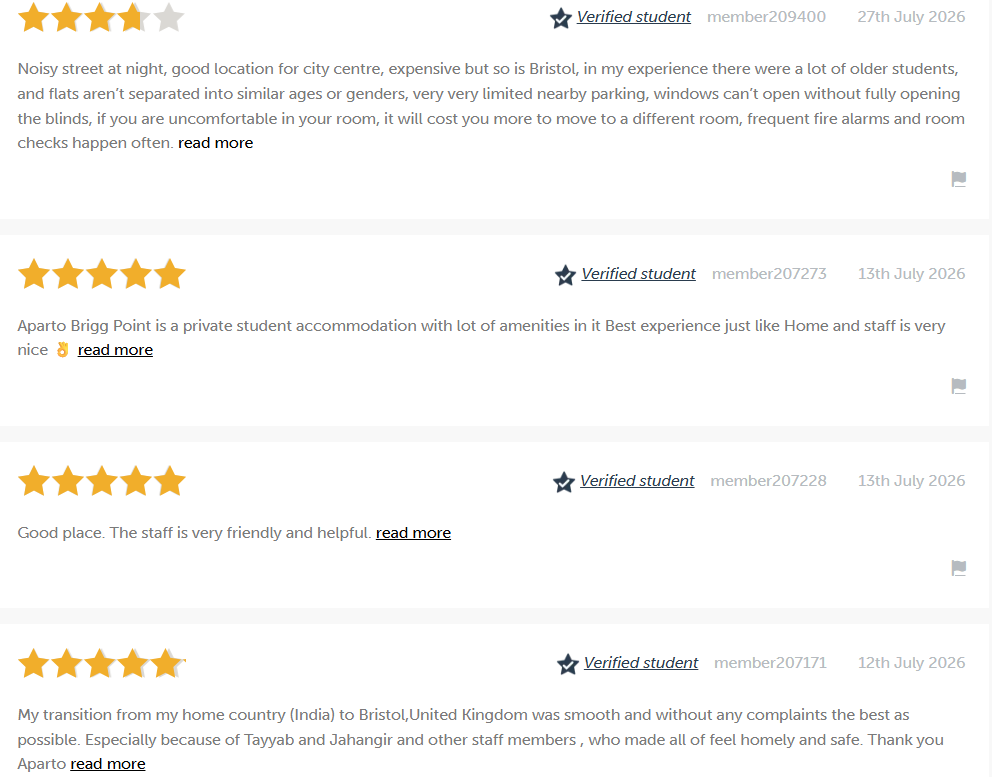
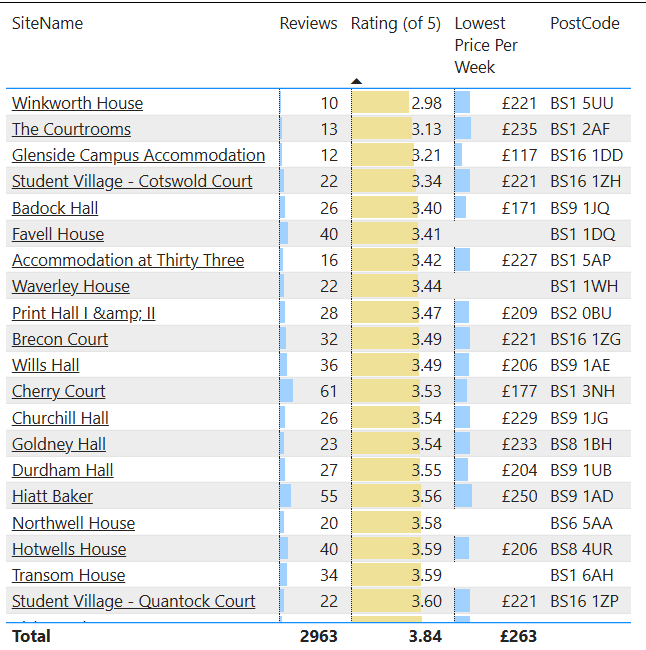
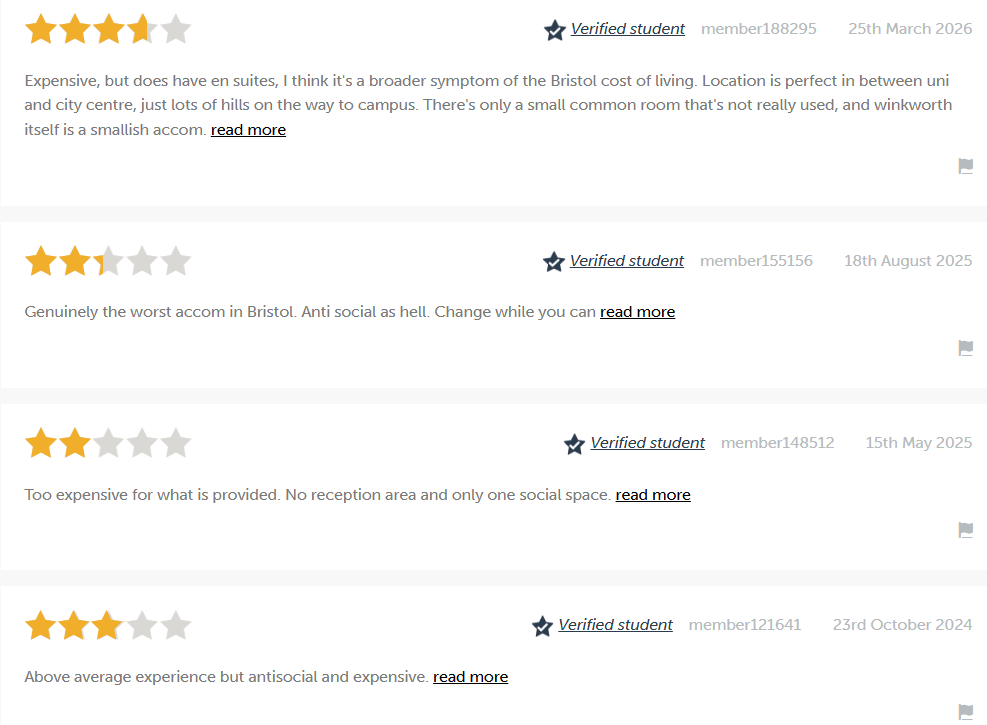
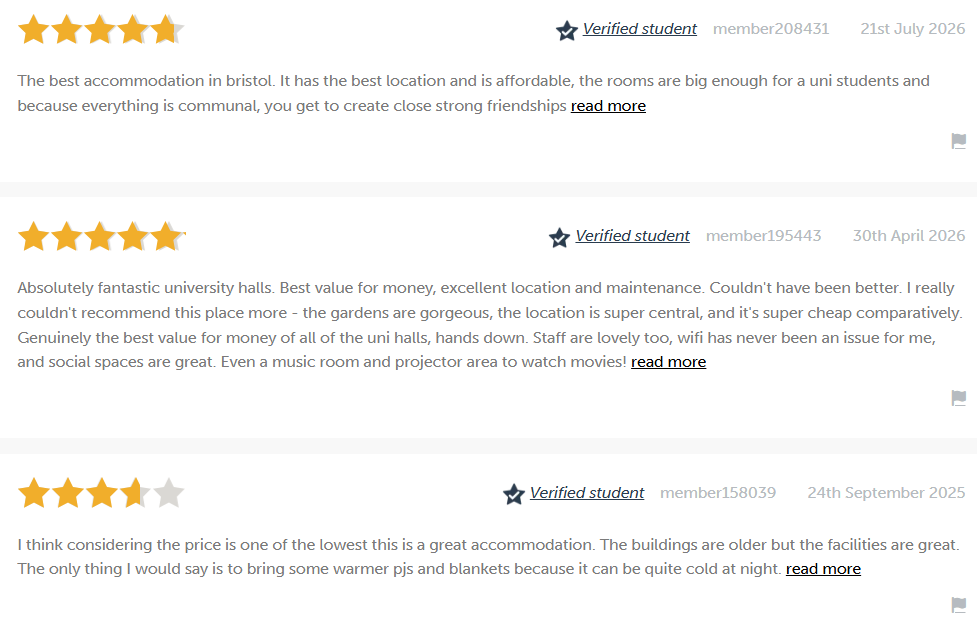
StudentCrowd provide information about Bristol student accommodation and allow verified students to post reviews.
A site is only given a "Star Rating" once is has got 10 reviews.
Top Rated
The average rating is 3.84 (out of 5),
Lowest Rated
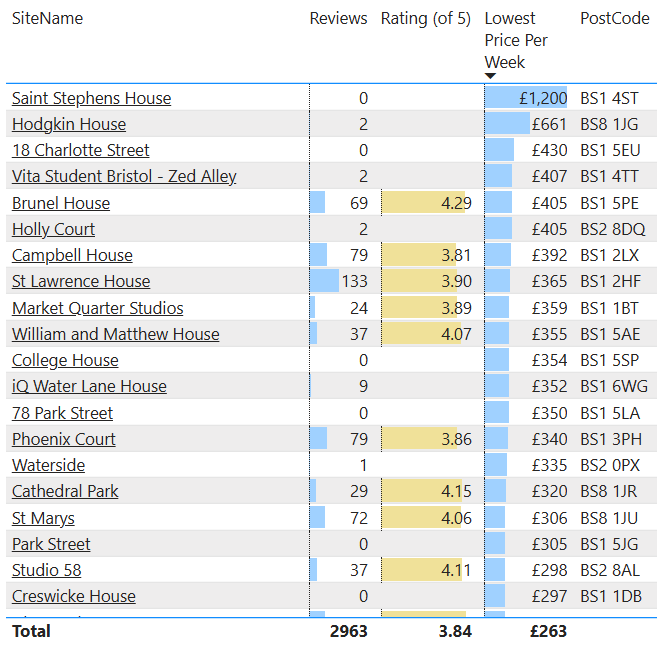
Price per week - Highest
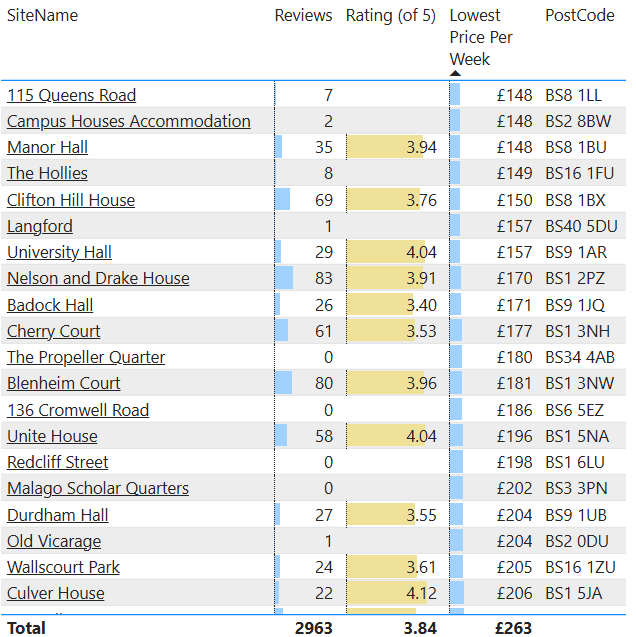
The average price per week is £263
Price per week - Lowest
Travel Times
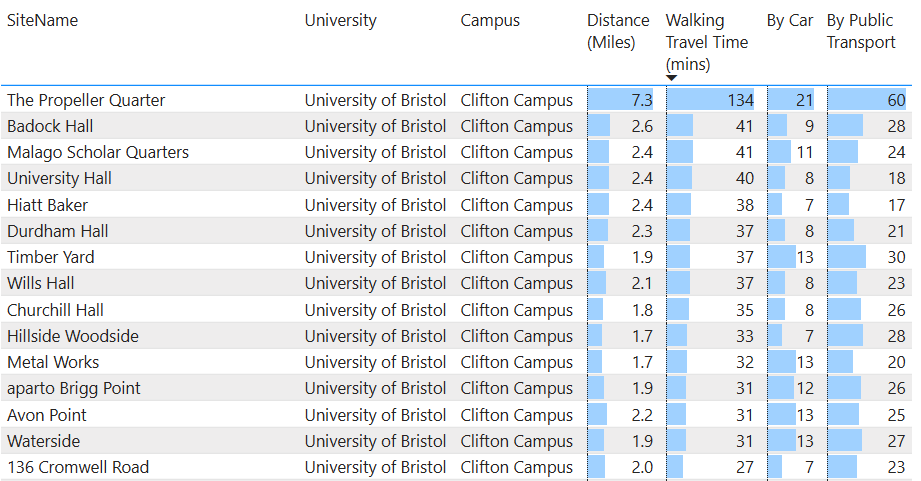
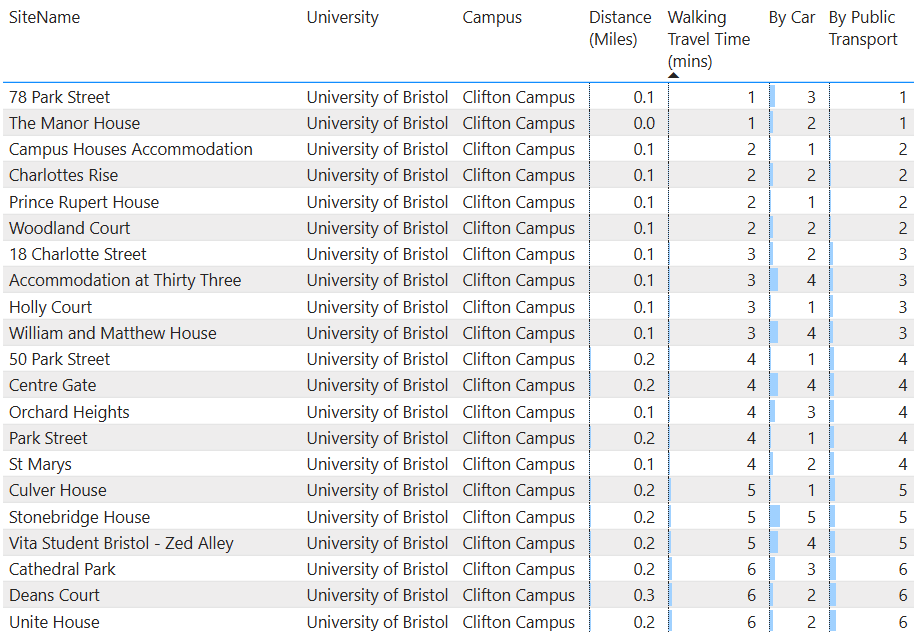
To University of Bristol (Clifton Campus)
Longest Walking Time
Shortest Walking Time
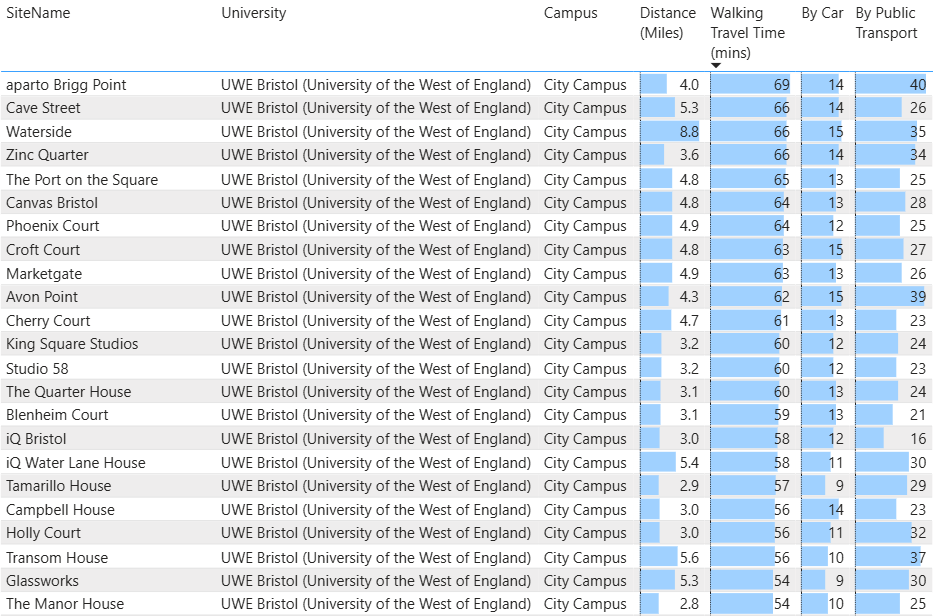
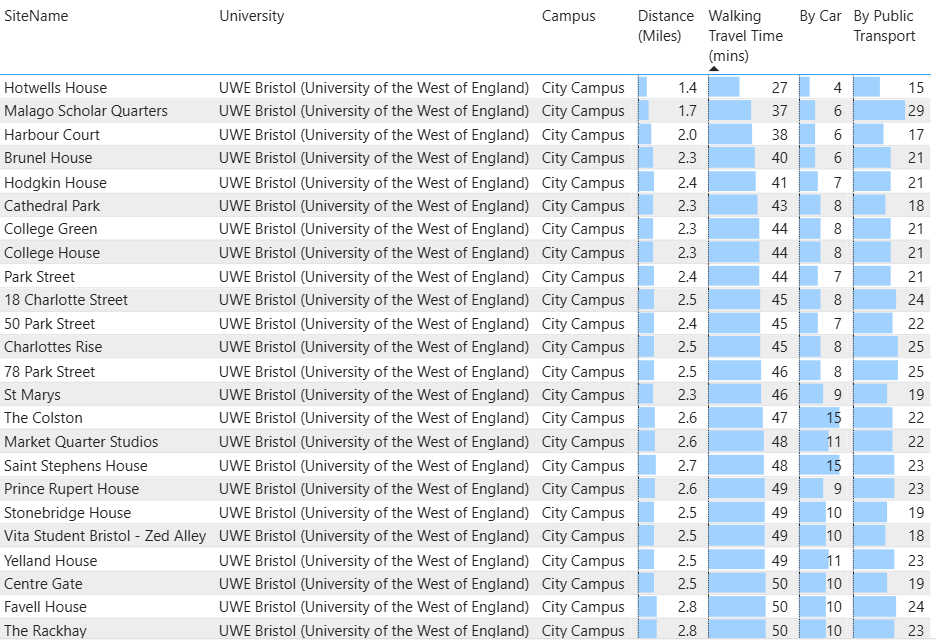
To UWE Bristol (City Campus)
Longest Walking Time
Shortest Walking Time
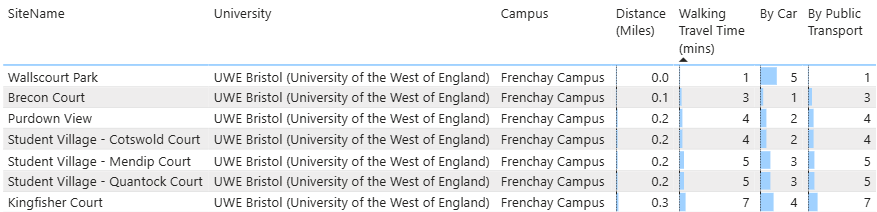
To UWE Bristol (Frenchay Campus)
To UWE Bristol (Glenside Campus)

FixMyStreet reports related to Students
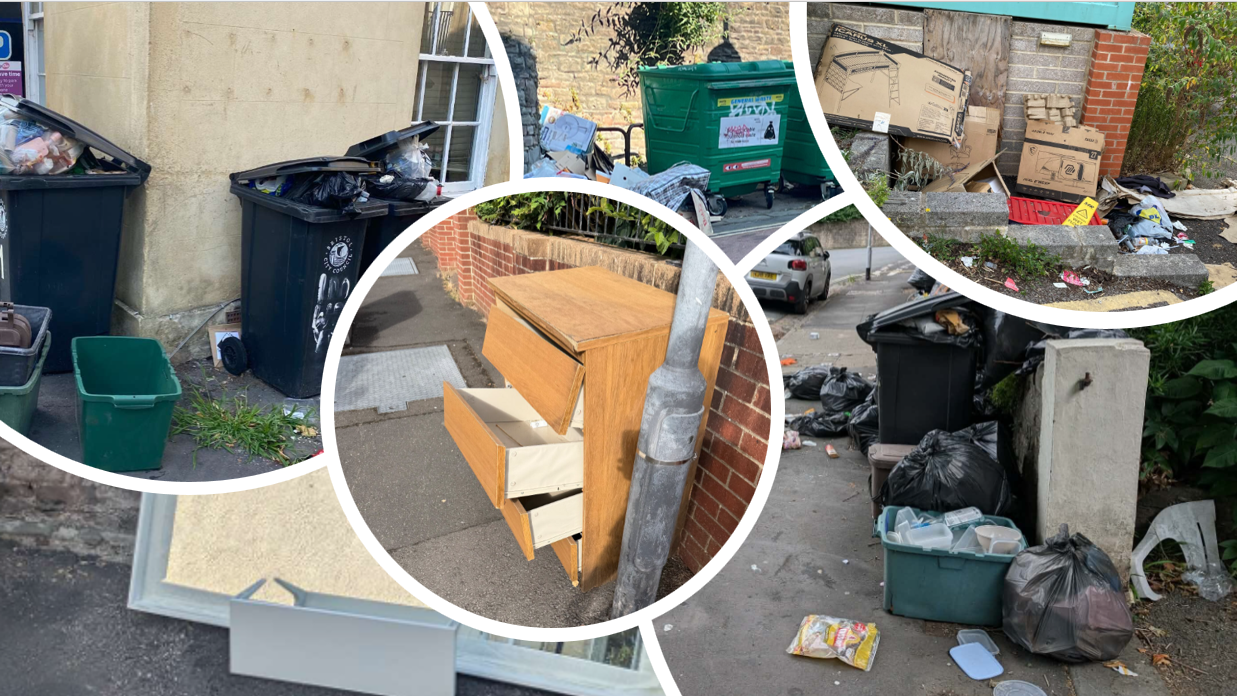
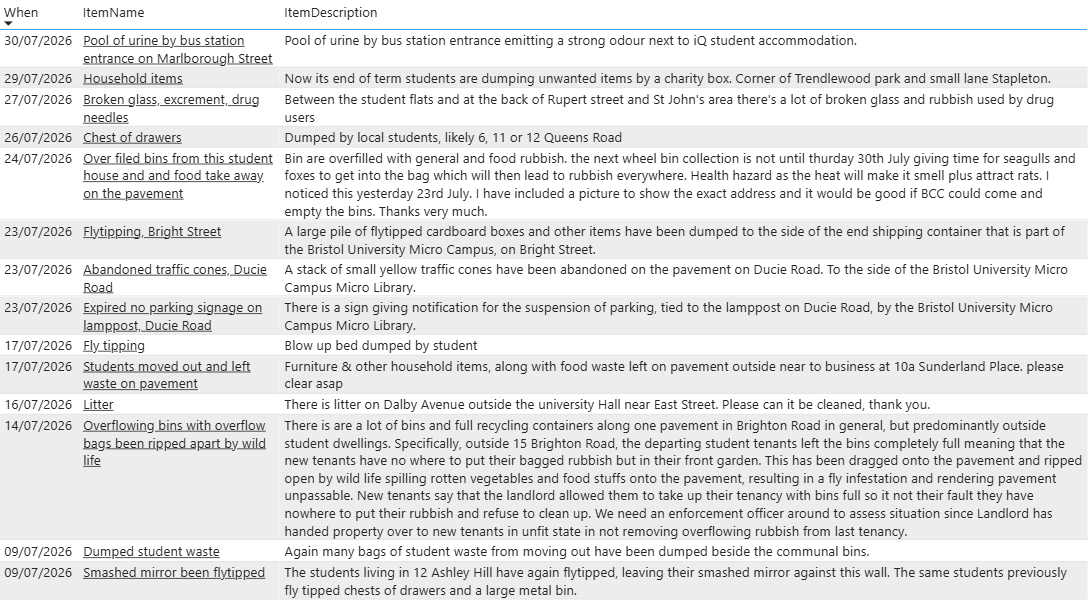
So far in 2026 there have been 90 FMS reports mentioning students or student accommodation. This does not mean that students actually fly tipped anything (most common report) and the evidence is purely circumstantial.
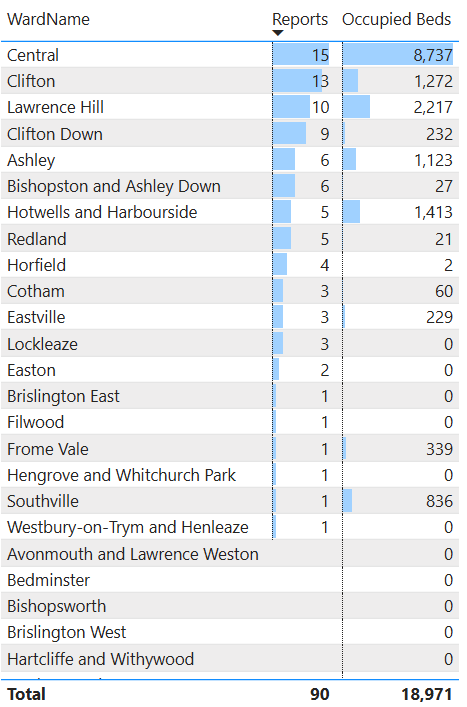
Recent Reports
Comments ()