
Why is Bristol twinned with Guangzhou?
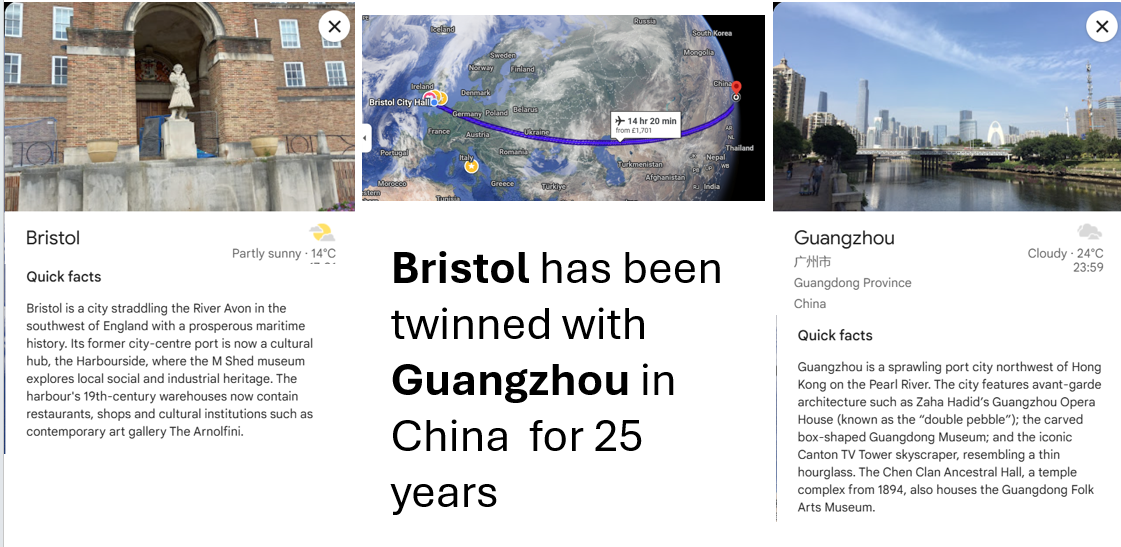
I never knew that for the last 25 years Bristol has been twinned with Guangzhou in China.
I only realised this when I saw that the Lord Mayor's Diary included this entry for 18/03/2026
Visit to Guangzhou, China 25th anniversary of Bristols twinning with Guangzhou. Four-day trip, funded by the University of Bristol.
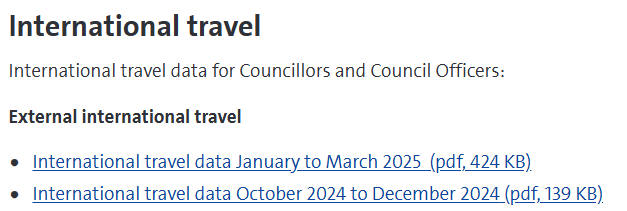
This trip was not available in the Open Data for International Travel as that has not been updated for over a year. Yet another BCC "abandoned" data source.
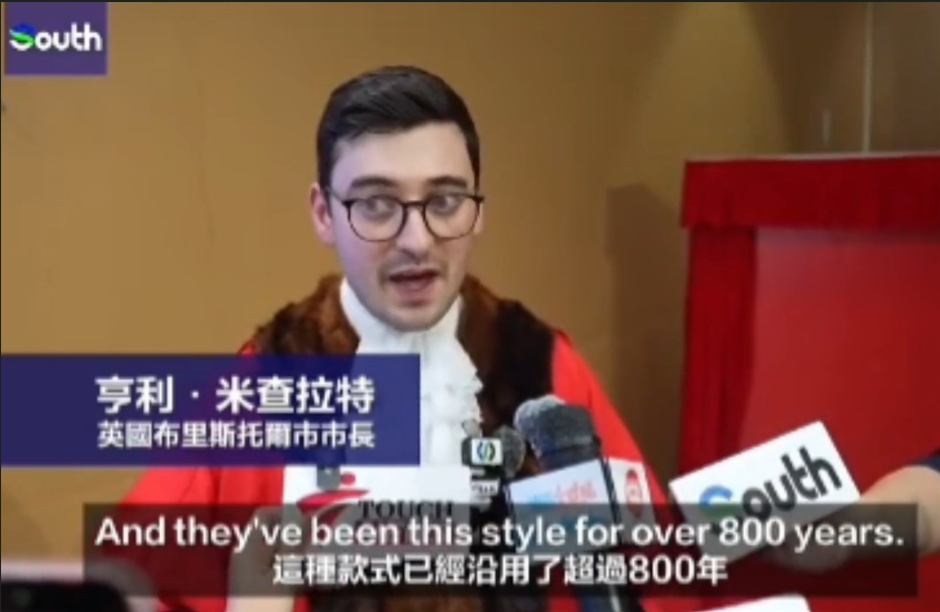
The Lord Mayor has attended other events related to this twinning:

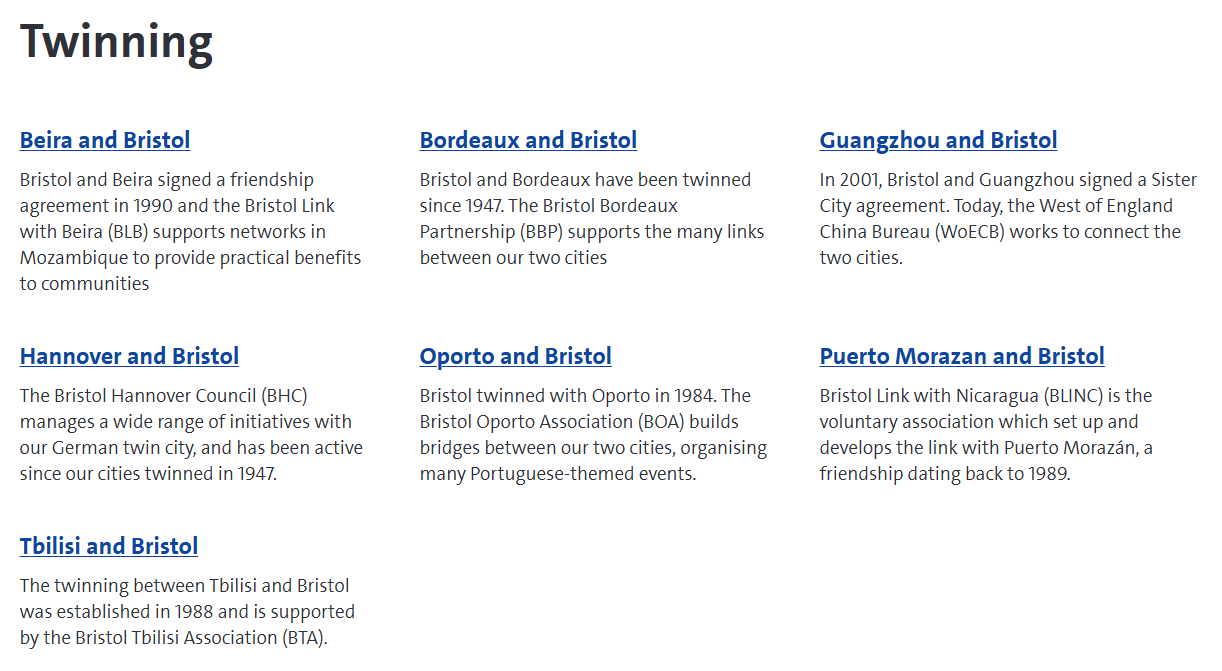
Bristol is twinned with 7 Cities around the world
And names meeting rooms after the twins.
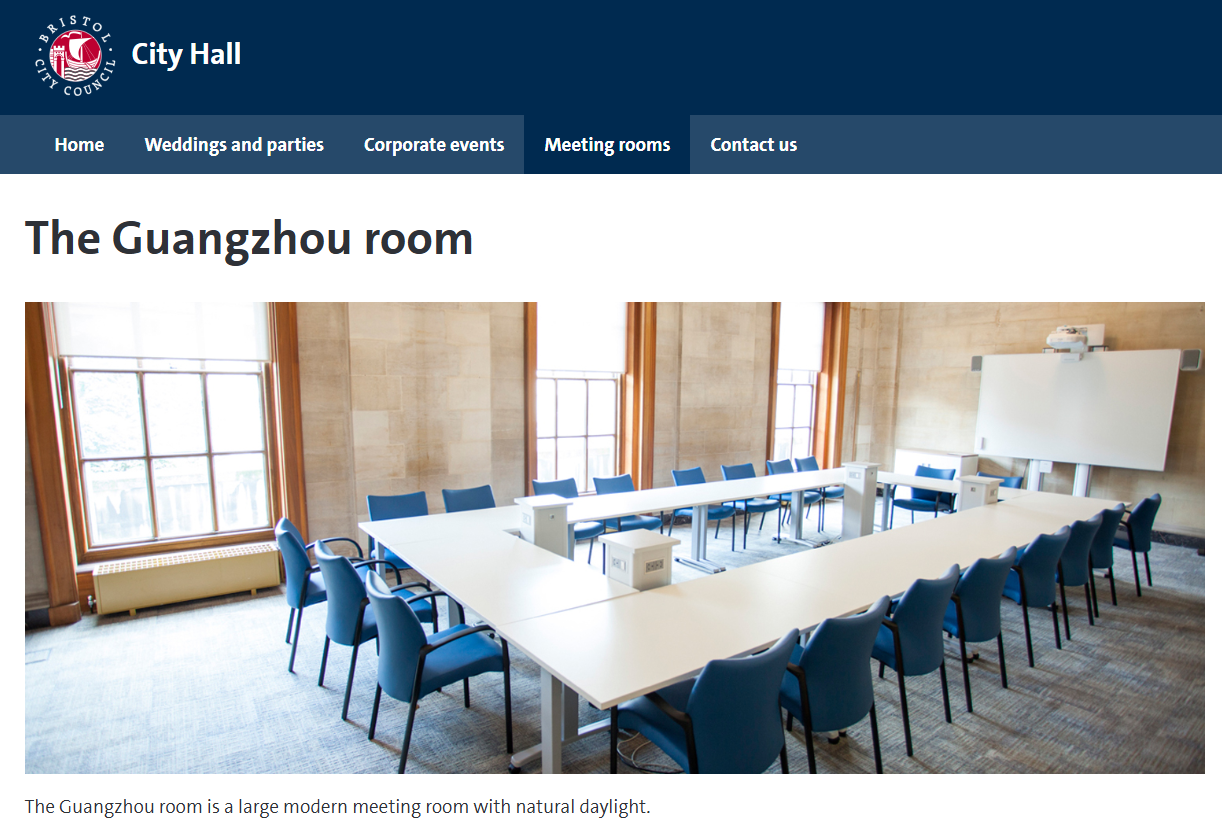
BCC provide this information about the twinning with Guangzhou:
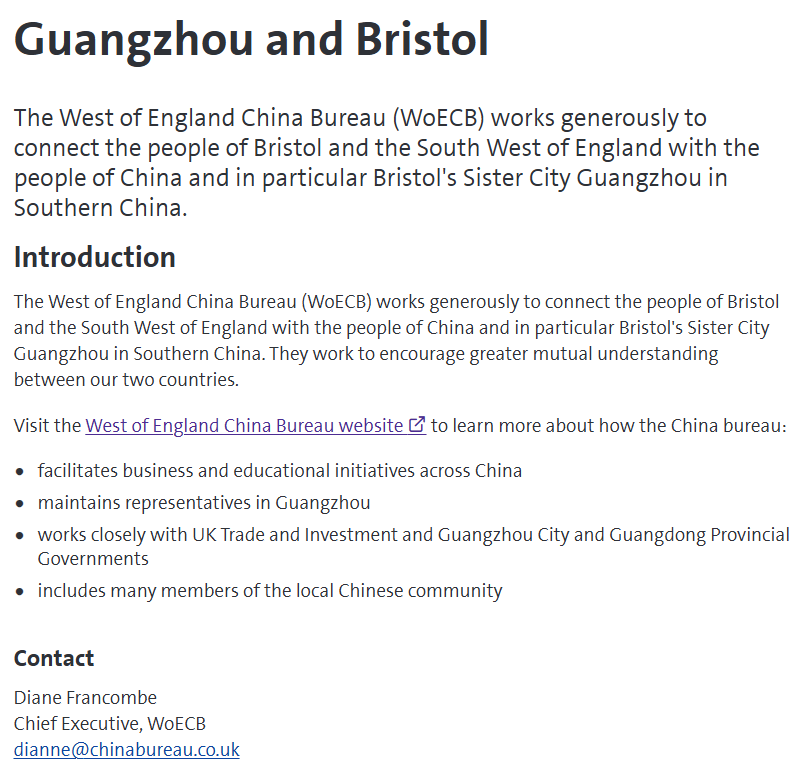
What is the Bristol & West of England China Bureau?
The West of England China Bureau (WoECB) works unstintingly to connect the people of Bristol and the South West of England with the people of China and in particular Bristol’s Sister City Guangzhou in Southern China to encourage greater mutual understanding between our two countries.
The main "order of business" appeared to be selling the benefits of Chinese students coming to study in Bristol.
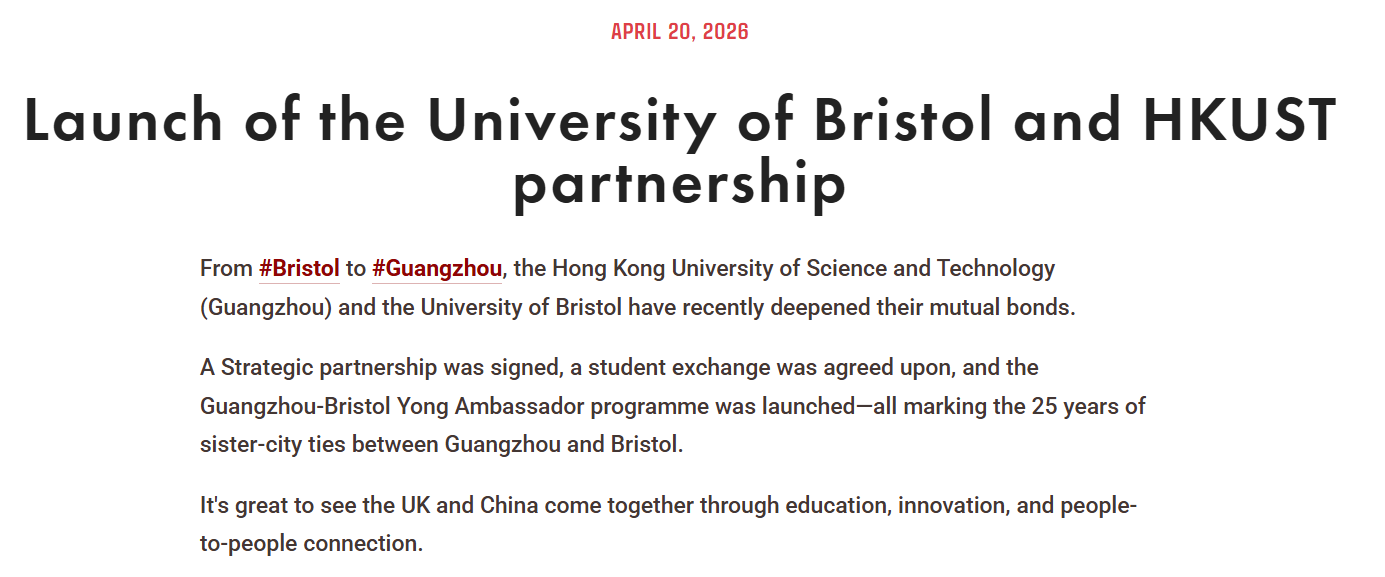
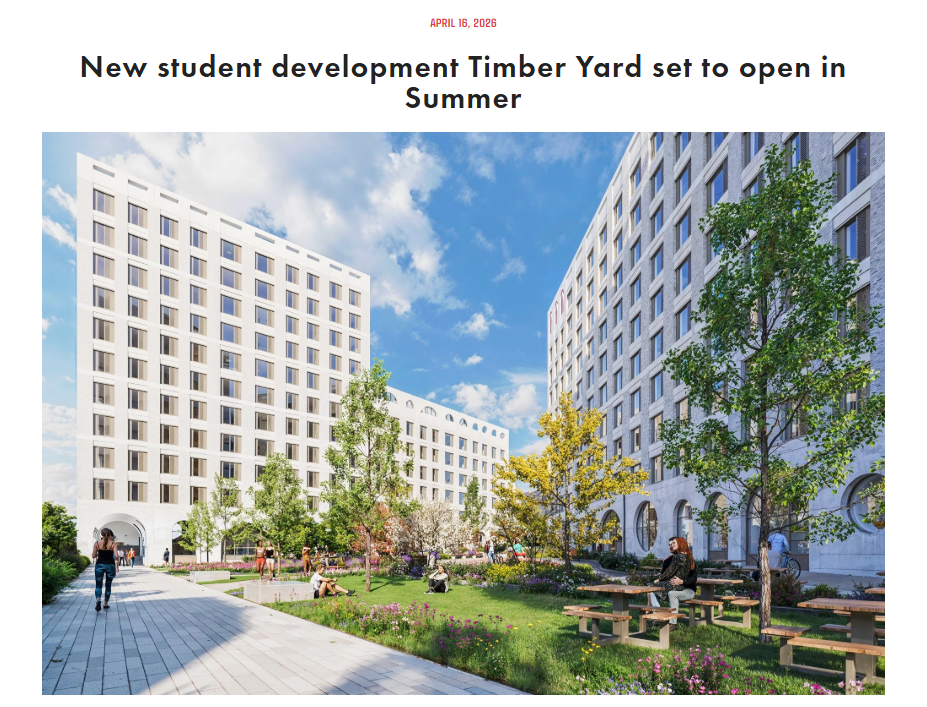
A major new purpose-built student accommodation complex is due to open in Summer 2026.
Once complete Timber Yard will deliver more than 700 studios and ensuite rooms alongside a wide range of shared amenities designed to support student wellbeing, social life and academic success.
The south-facing courtyard and landscaped gardens will sit at the centre of the scheme and cover three quarters of an acre right next to Bristol’s historic Feeder Canal. Positioned between the three Timber Yard buildings, the courtyard has been designed as a social hub where students can relax, meet friends or take a break between study sessions.
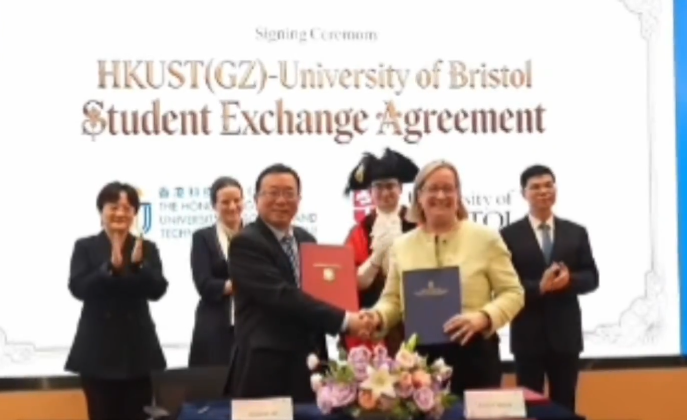
BCC didn't celebrate this visit with a news story or a press release, but the University of Bristol did report on the visit:
Professor Evelyn Welch, Vice-Chancellor and President of the University of Bristol, said: "It is wonderful to be here in Guangzhou in Guangdong province with the Lord Mayor of Bristol to celebrate twenty-five years as twin cities. There is no better example of what it means to be a global-civic university than this alignment between our two cities and our two universities. We look forward to deepening our partnership with HKUST Guangzhou in service to our joint mission to solve some of the world's most pressing urban issues from healthy aging to climate adaptation."
Councillor Henry Michallat, Lord Mayor of Bristol, said: “We deeply value the relationships we hold with all of our international partners. We cherish every opportunity to strengthen these bonds between our city and communities beyond our borders. I am grateful for the welcome, hospitality and friendship shown to us by our hosts in Guangzhou. It’s clear from our time together that our two cities share many priorities, particularly in the delivery of high-quality education, and that we have much we can learn from each other.”
Sarah Mann, the British Consul General in Guangzhou, said: "It’s truly a pleasure to witness the agreement signing between the two universities. The UK is committed to supporting continued international collaboration in higher education. Today's forum well reflects the same sense of drive in the scientific and educational partnerships between University of Bristol and HKUST GZ."
The Ethical Dilemma
There are some ethical challenges when it comes to working closely with the Chinese Government.
The Uyghur people
In 2021 British MPs voted to declare that China is committing genocide against the Uyghur people in Xinjiang province. (Guardian 2021)

Nusrat Ghani, the author of the motion and a former Conservative minister, said: “The work does not stop here. We cannot continue business as usual with China while these atrocities continue. The government must now act urgently to ensure our supply chains are not tainted by goods made with Uyghur forced labour.”
The Shein connection
In 2025 the Business and Human Rights Centre published reports of alleged abusive working conditions for workers in Guangzhou who supply Shein. (Business and Human Rights Centre - 2025)
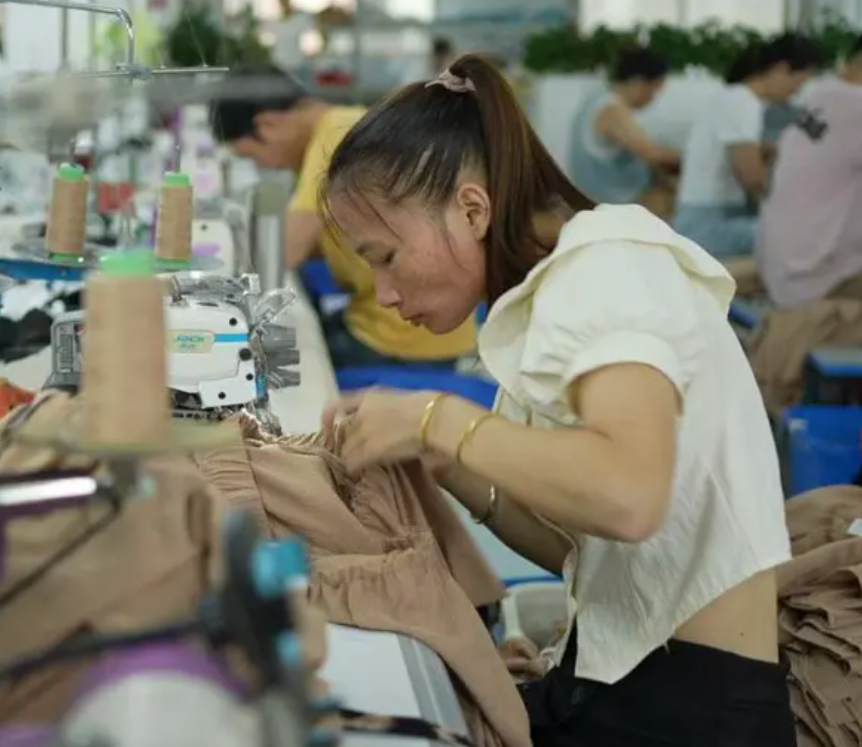
Reported abuses include insecure and informal employment conditions and unreasonable working hours with “minimal rest”. The article also says “very few” of the factories in Guangzhou have air conditioning, despite temperatures “routinely” going above 30 degrees Celsius in summer. Some factories also “double as childcare”, with “teenagers” using sewing machines.
Inside the Chinese factories fuelling Shein's success (BBC 2025)
The hum of sewing machines is a constant in parts of Guangzhou, a thriving port on the Pearl River in southern China.
It rattles through the open windows of factories from morning until late at night, as they finish the t-shirts, shorts, blouses, pants and swimwear that will be shipped to fill wardrobes in more than 150 countries.
This is the sound of Panyu, the neighbourhood known as the "Shein village", a warren of factories that power the world's largest fast fashion retailer.
"If there are 31 days in a month, I will work 31 days," one worker told the BBC.
Most said they only have one day off a month.
The BBC spent several days here: we visited 10 factories, spoke to four owners and more than 20 workers. We also spent time at labour markets and textile suppliers.
We found that the beating heart of this empire is a workforce sitting behind sewing machines for around 75 hours a week in contravention of Chinese labour laws.
These hours are not unusual in Guangzhou, an industrial hub for rural workers in search of a higher income; or in China, which has long been the world's unrivalled factory.
British Universities are reliant on income from Chinese students and are very careful not to offend the Chinese Government, as Laura Murphy found.
UK university halted human rights research after pressure from China (Guardian 2025)
In February 2024, Sheffield Hallam University, home to the Helena Kennedy Centre for International Justice (HKC), a leading research institution focused on human rights, ordered one of its best-known professors, Laura Murphy, to cease research on supply chains and forced labour in China.
The instruction for Murphy to halt her research came six months after the university decided to abandon a planned report on the risk of Uyghur forced labour in the critical minerals supply chain, and return the funding associated with that research to the original grantor, Global Rights Compliance (GRC), a non-profit law foundation based in The Hague.
Time for a "Guangzhou Motion"?
Bristol City Councillors were very proud when they passed "The Gaza Motion" in January 2025.
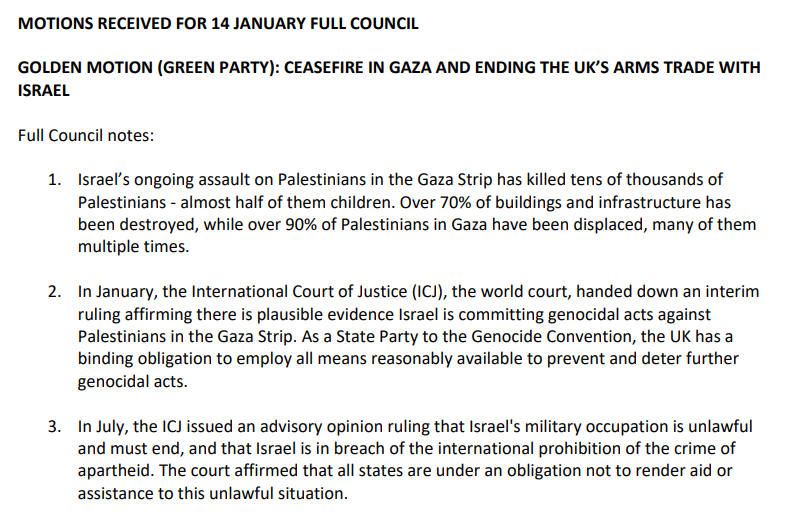
The Council have found it impossible to carry out any actions that would actually make any difference in Gaza, although they did send a letter to the UK Government.
Perhaps it is time for a Councillor to propose a "Guangzhou Motion" in order to highlight the genocide of the Uyghur people, and the poor working conditions of many workers in Guangzhou.
This is a motion where they could actually take some action by ending the twinning relationship with Guangzhou, and renaming one meeting room.
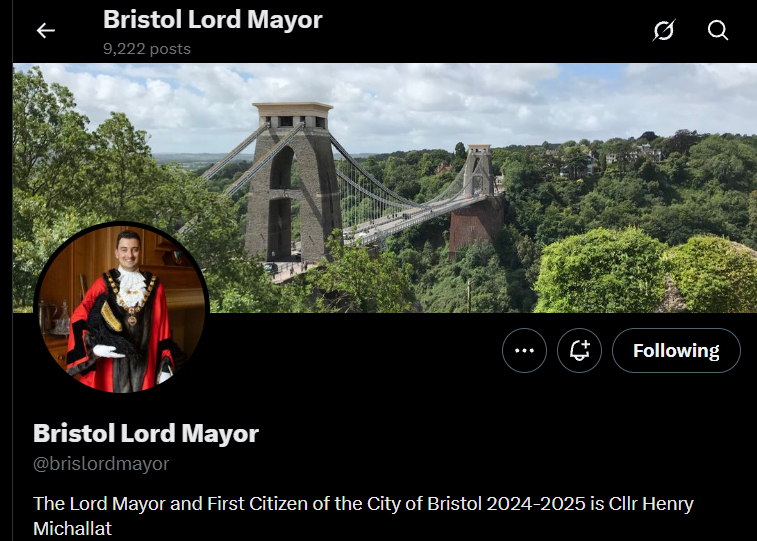
It seems that the Bristol Lord Mayor didn't post anything about his Guangzhou trip. Perhaps he wanted to keep it quiet.
Comments ()