
SBLN Modal Filters - Collision Analysis
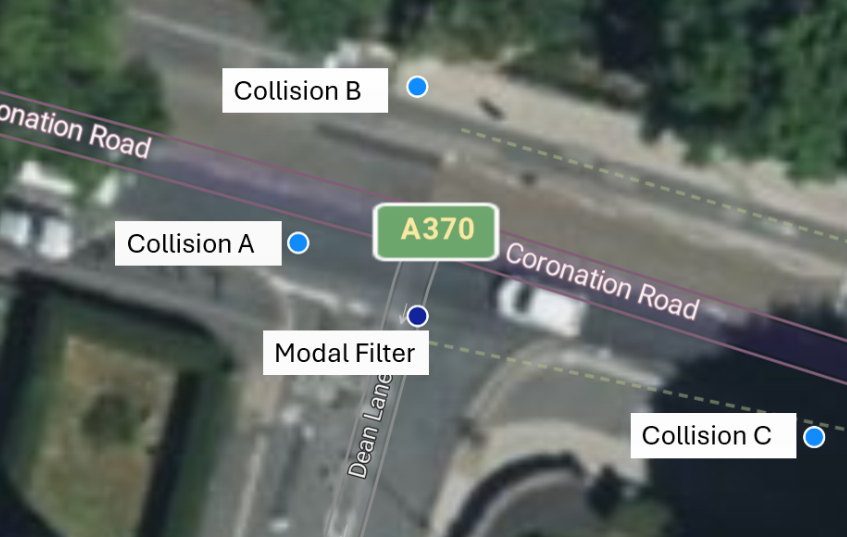
When Bristol City Council published data on the South Bristol Liveable Neighbourhood proposals they did not include any analysis of historical collisions in the area. As one of the main aims of the SBLN is to make it safer for pedestrians, cyclists and other road users, this is a notable omission.
I have taken the historical collision data from 2020 onwards and looked at collisions that took place within 50 metres of the locations where modal filters, one-way roads and school streets are proposed.
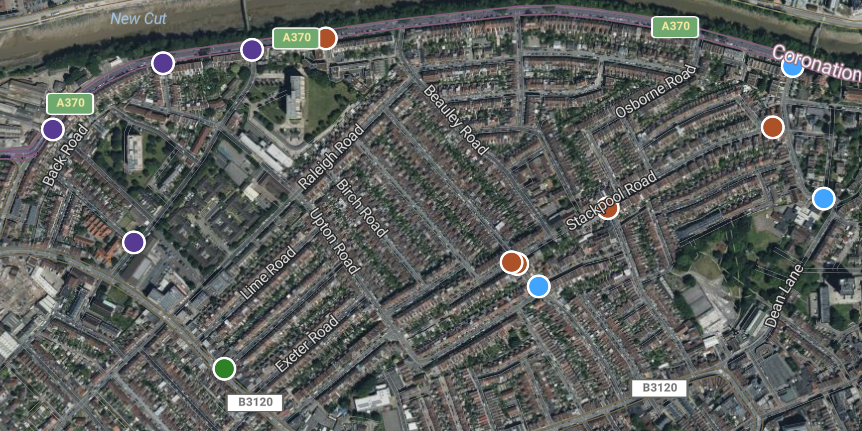
Of the 13 proposed changes, 10 of them have not had any collisions recorded within 50 metres of those locations.
These are the 3 modal filter proposals where there has been one or more collision reported within 50 metres of the location since 2020.
Dean Lane / Coronation Road
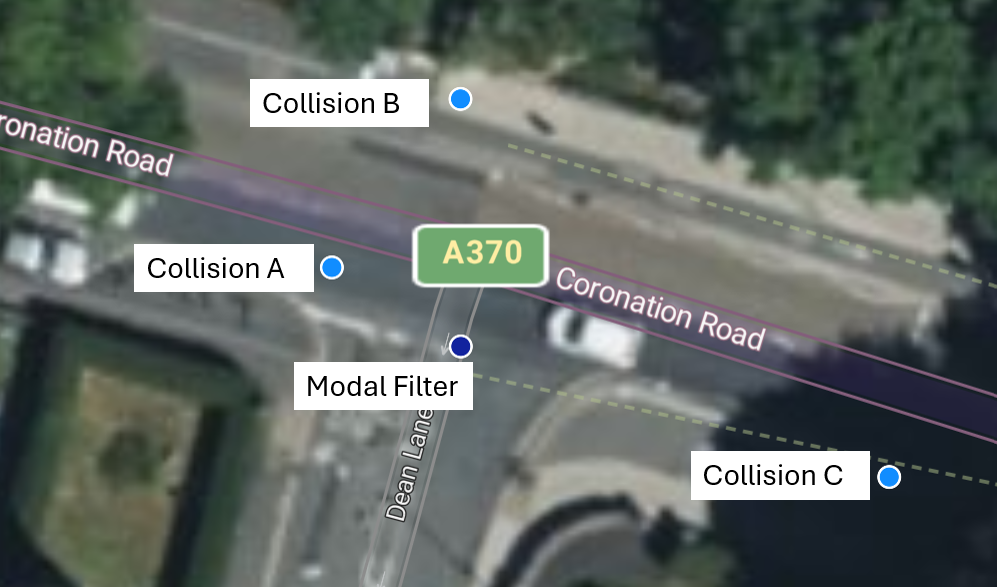
Collision A
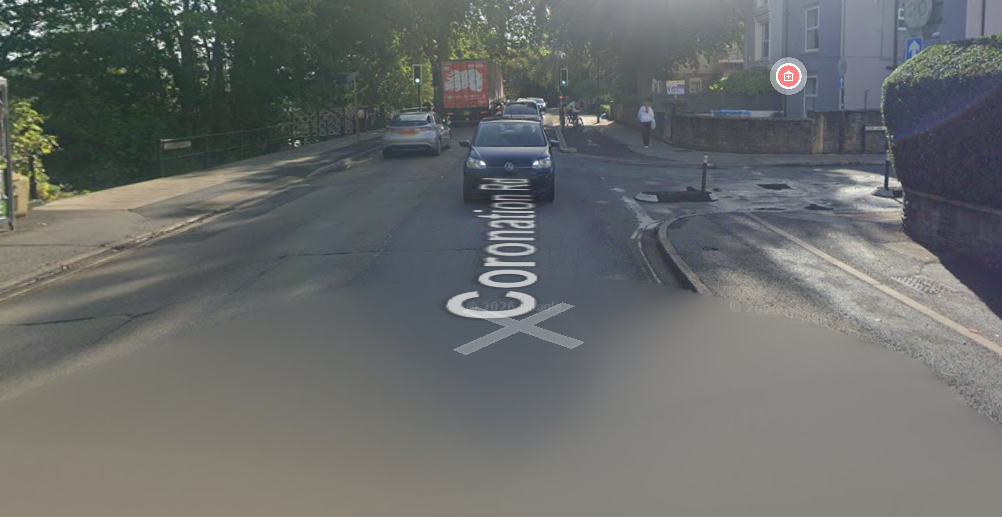
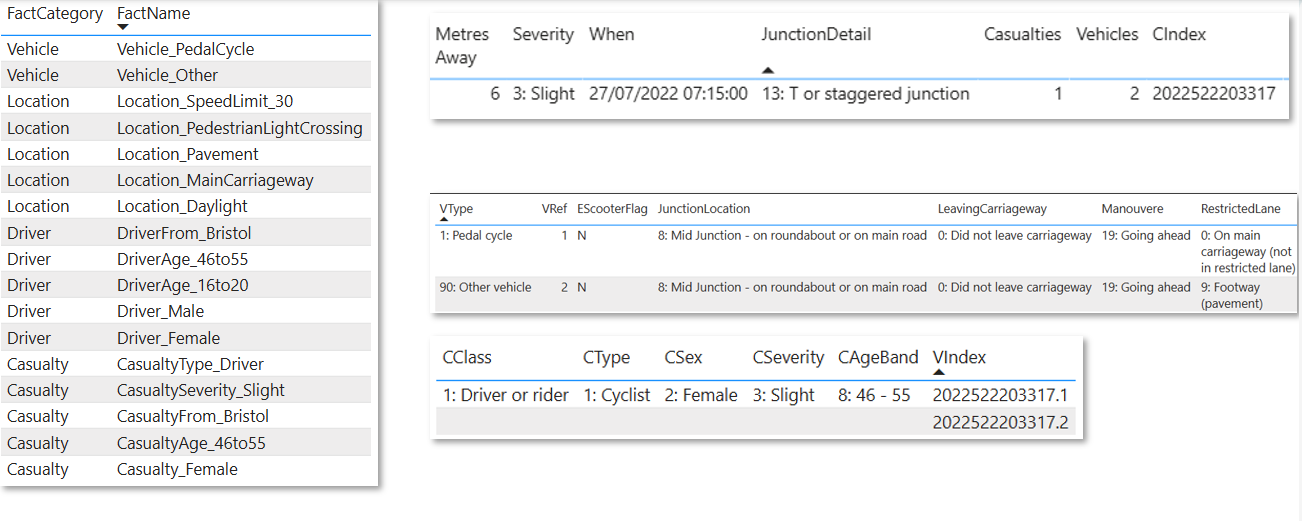
Collision B
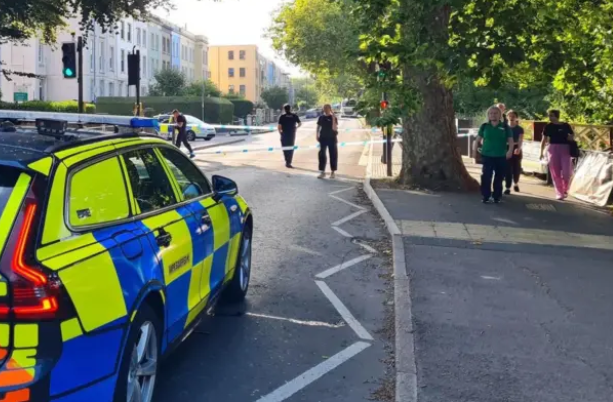
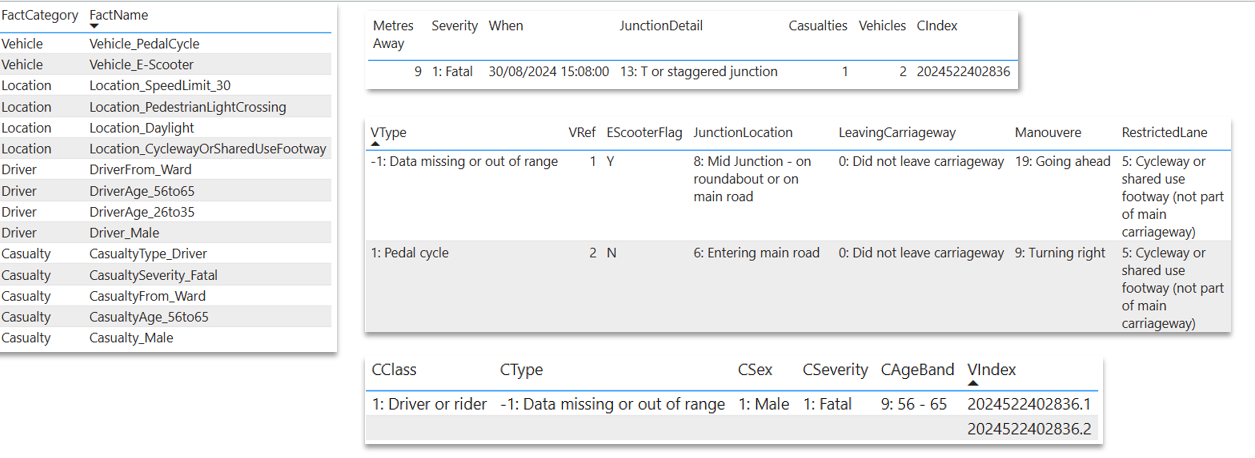
Collision C
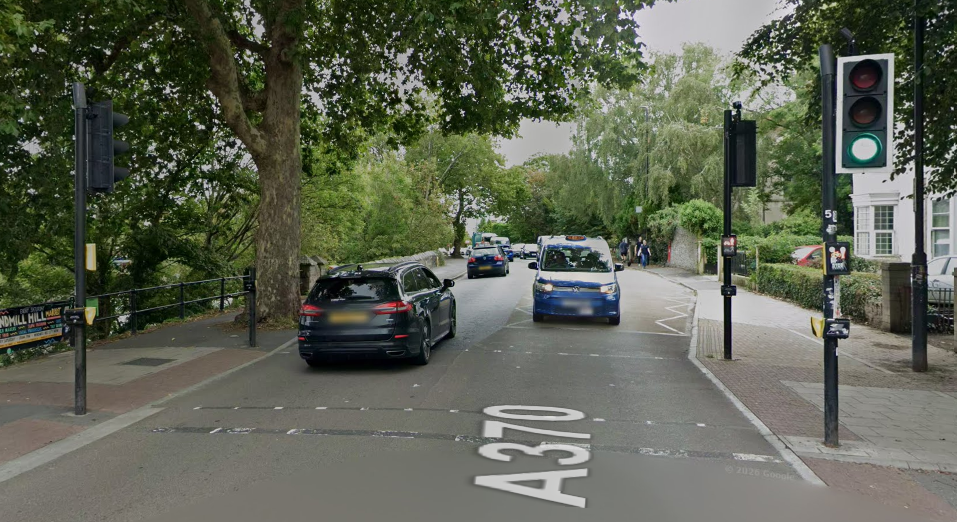
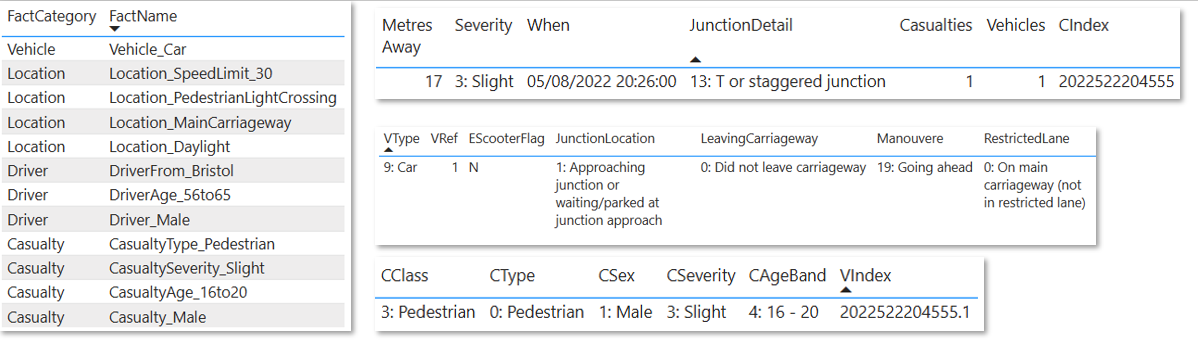
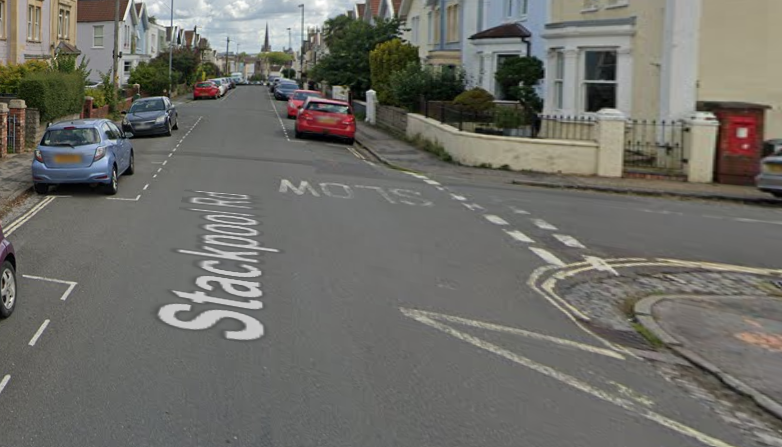
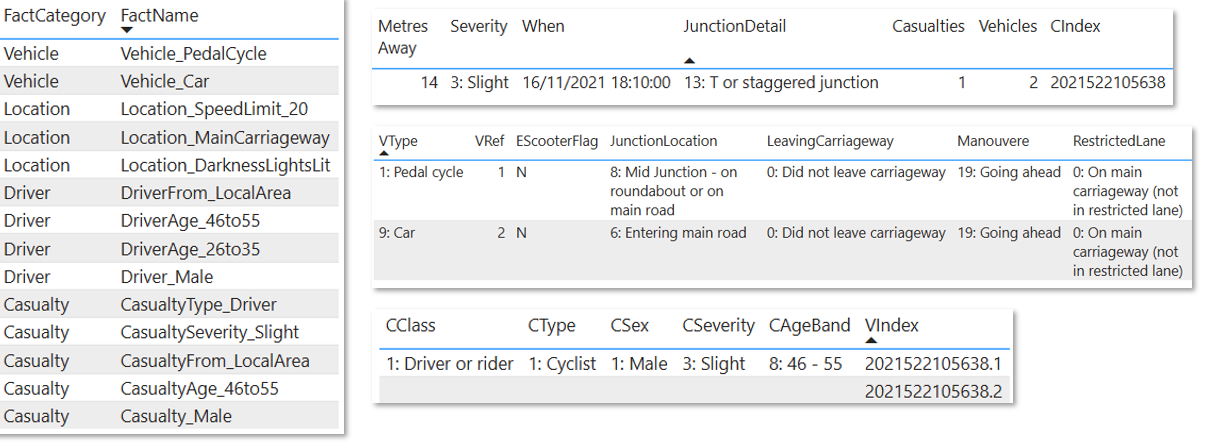
Merrywood Road / Stackpool Road
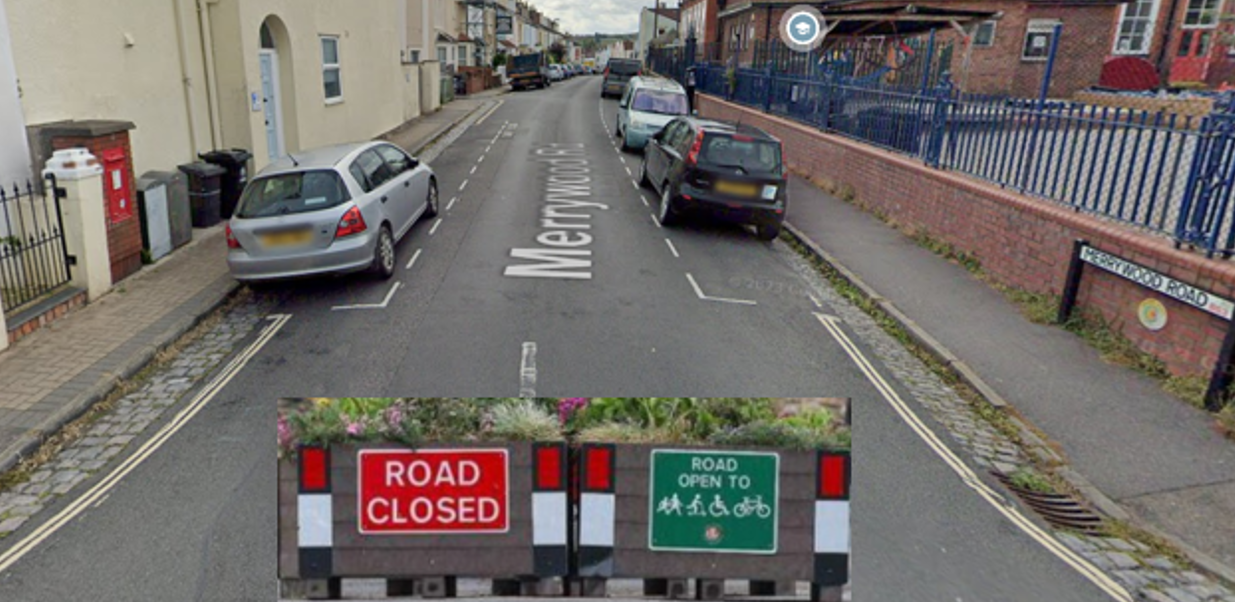
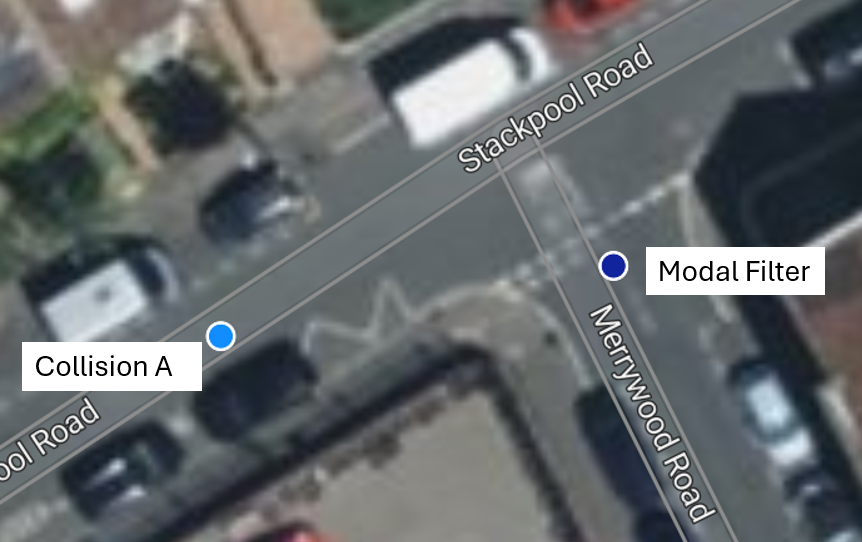
Collision A
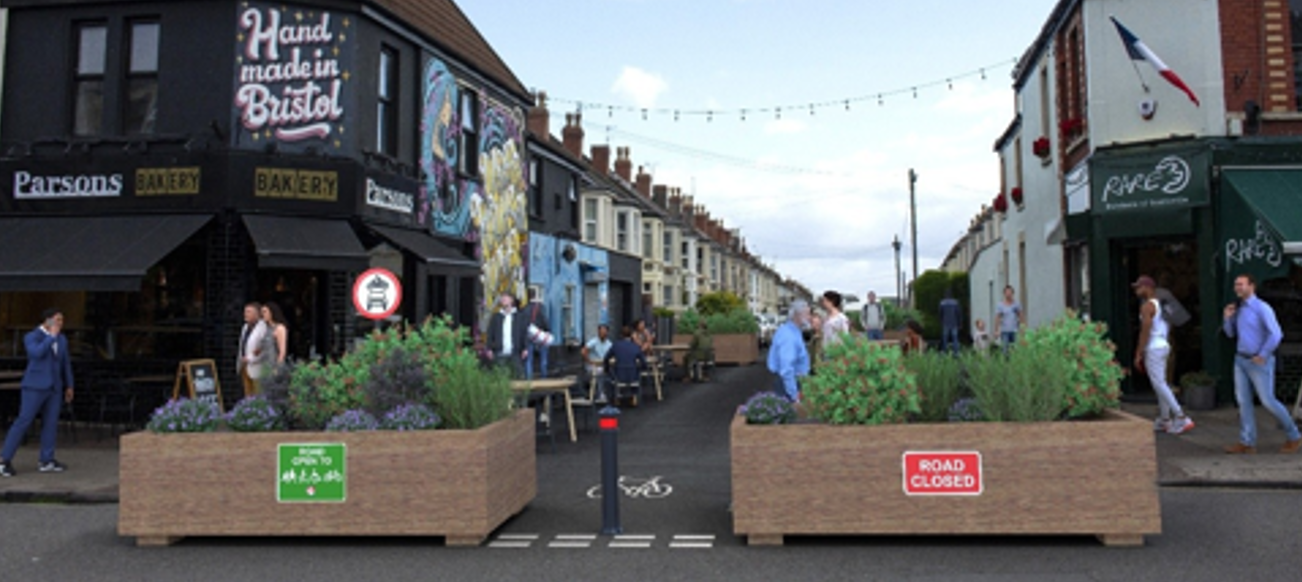
Gathorne Road / North Street
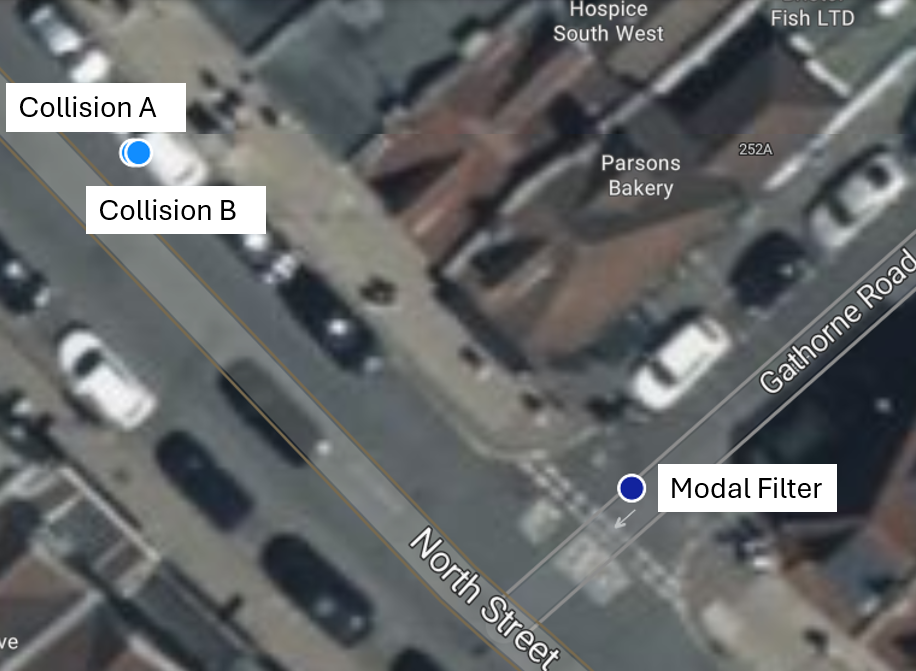
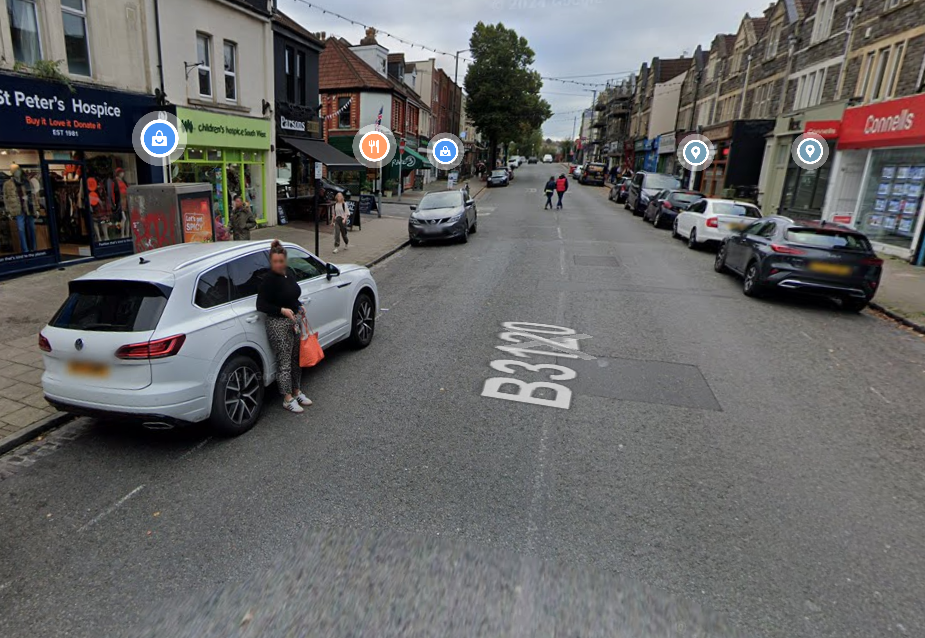
Collision A
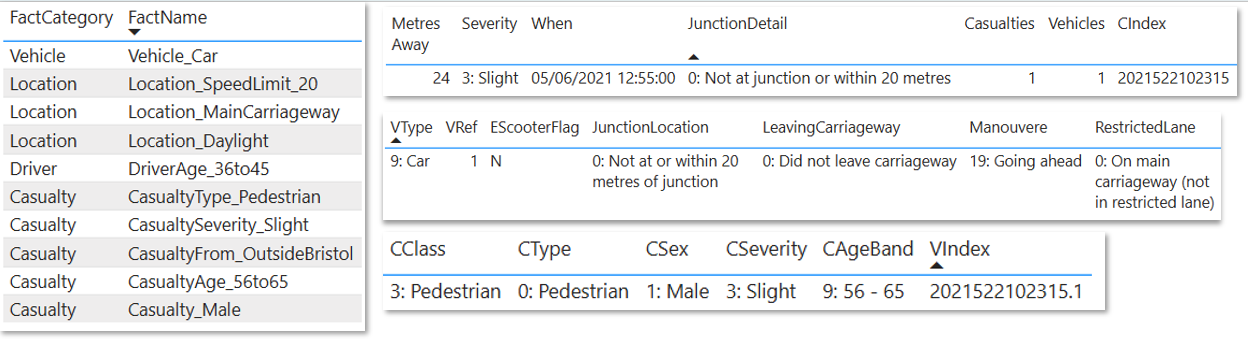
Collision B
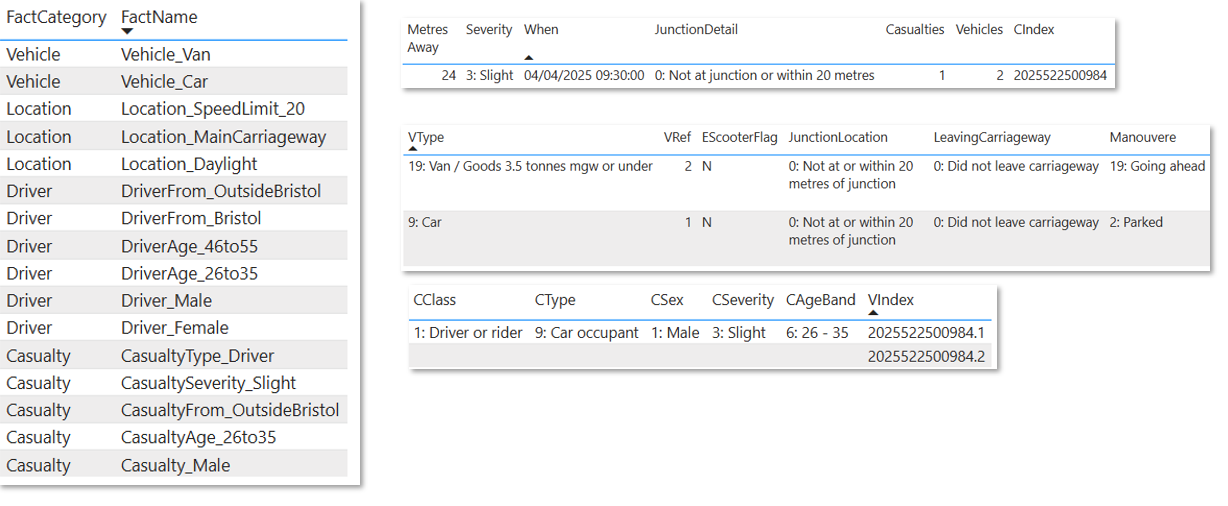
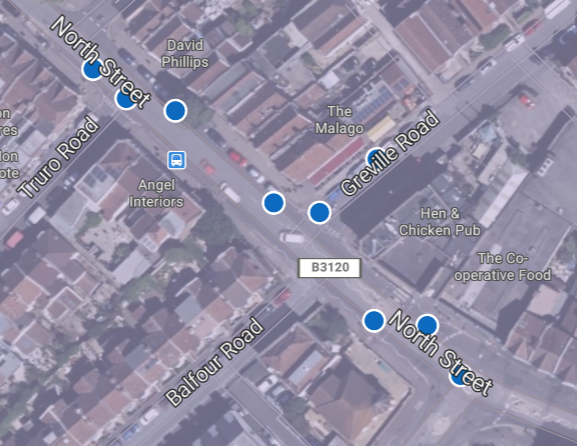
Both of these collisions took place at the same location in between 2 zebra crossings. Perhaps an additional zebra crossing between the ones at either end of this section of North Street would make it safer for pedestrians. But this was not a proposed change for the SBLN.
Summary
Of the 13 proposed changes, 10 of them have not had any collisions recorded within 50 metres of those locations. Therefore it is not possible that these changes could reduce the number of collisions from zero.
There are 3 modal filter proposals where there have been 6 collision reported within 50 metres of the location since 2020.
Of these 6 collisions, 1 would have been prevented by a modal filter
North Street Collisions
North Street - Tobacco Factory
There have been 3 collisions near to the Zerba Crossing at the Tobacco Factory on North Street.
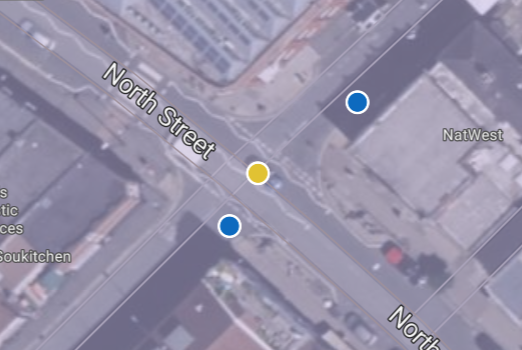
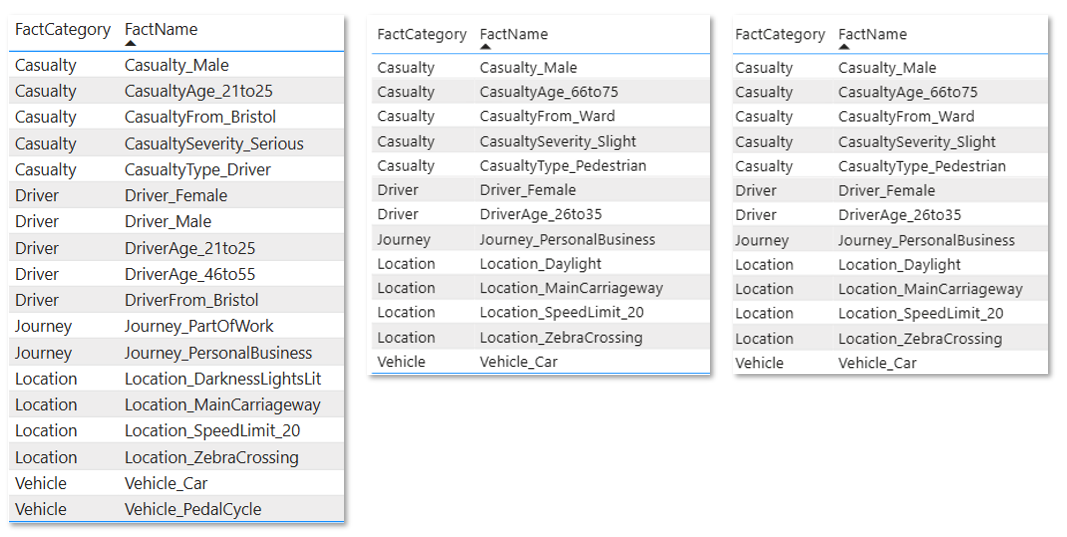
A Cyclist was seriously injured in a collision with a car on the Zebra Crossing.
There is nothing to determine if the cyclist was riding across the zebra crossing, or if the collision just happened to take place on the zebra crossing.
The other 2 collisions involved slight injuries to pedestrians, caused by cars.
North Street- Hen and Chicken
Could the Southville SBLN changes actually increase the number of collisions?
It depends on how much traffic is "Displaced" and how much "Evaporates".
The proposed changes are likely to increase the number of vehicles on North St and Coronation Road. This would probably increase the number of collisions in these locations.
The UK government’s 2024 review says that LTNs can bring benefits, especially for air quality on internal roads and active travel, but effects at boundary locations are less consistently positive and longer-term evidence is still developing.
This study from 2024 can be summarised as: Inside LTNs, motor traffic typically drops a lot. On boundary roads, some roads see increases and some see decreases, but the average change is usually much smaller than the drop inside the neighbourhood. In other words, some traffic is displaced, but not all of it; a chunk of it appears to “evaporate” because people reroute, combine trips, switch mode, change destination, travel at different times, or stop making marginal car trips.
- At street level: traffic is often displaced somewhat to other roads.
- At network level: traffic often partly evaporates rather than moving one-for-one.
- At scheme level: results vary a lot by design, surrounding road network, exemptions, bus routing, and what alternatives to driving exist.
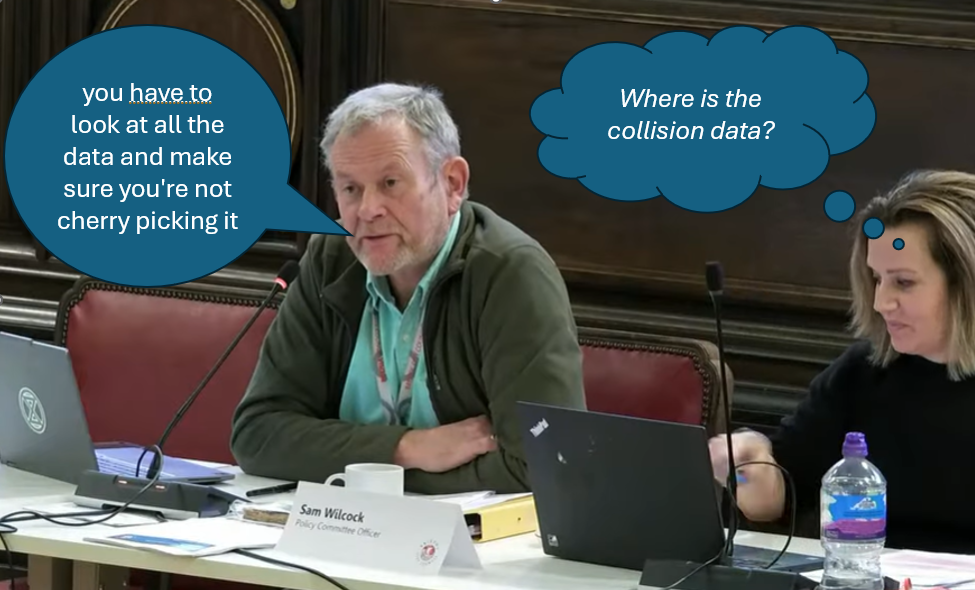
The only way to definitely know is to monitor the area consistently before and after the LTN is introduced. So the answer in "only time will tell". But BCC should consider these changes in an objective manner and base their proposals on all the data, not just the data they "cherry pick". It is surprising that collision data did not form part of their analysis.
Transport & Connectivity Policy Committee - Thursday, 5th February, 2026
Comments ()