
Lithium Battery Fires
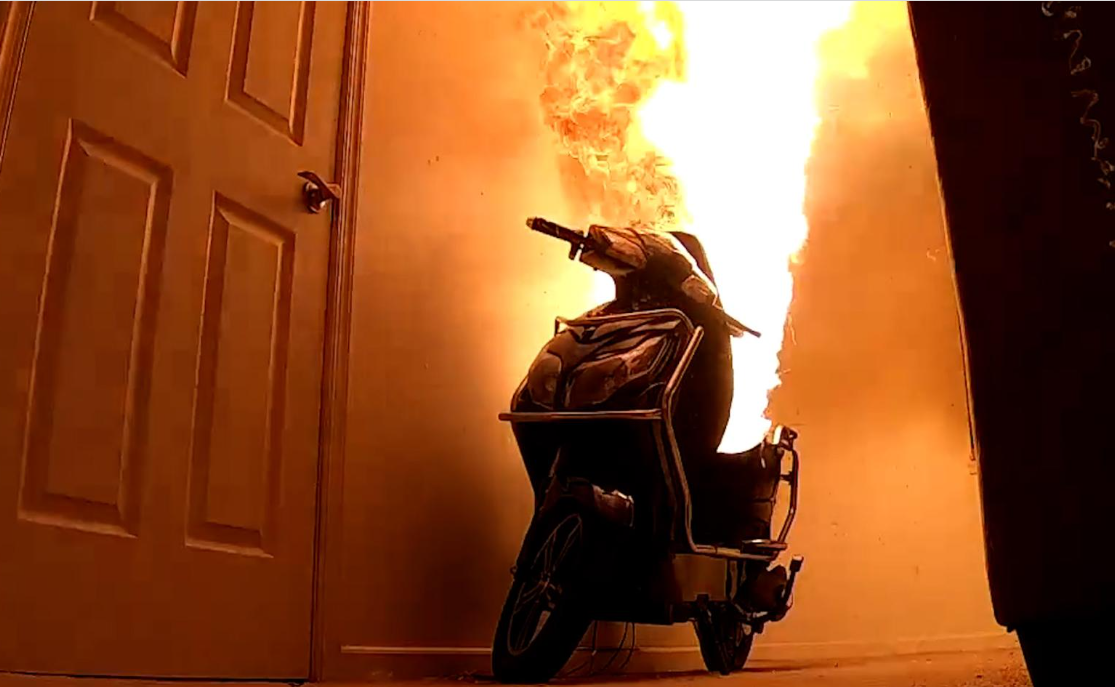
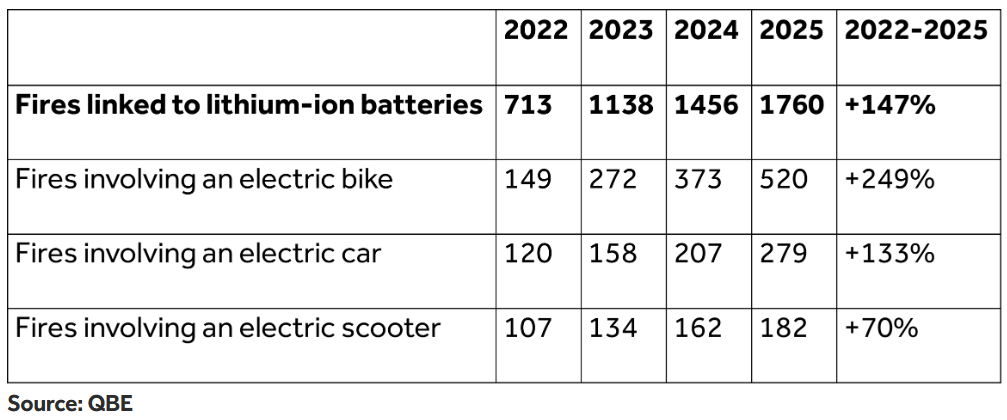
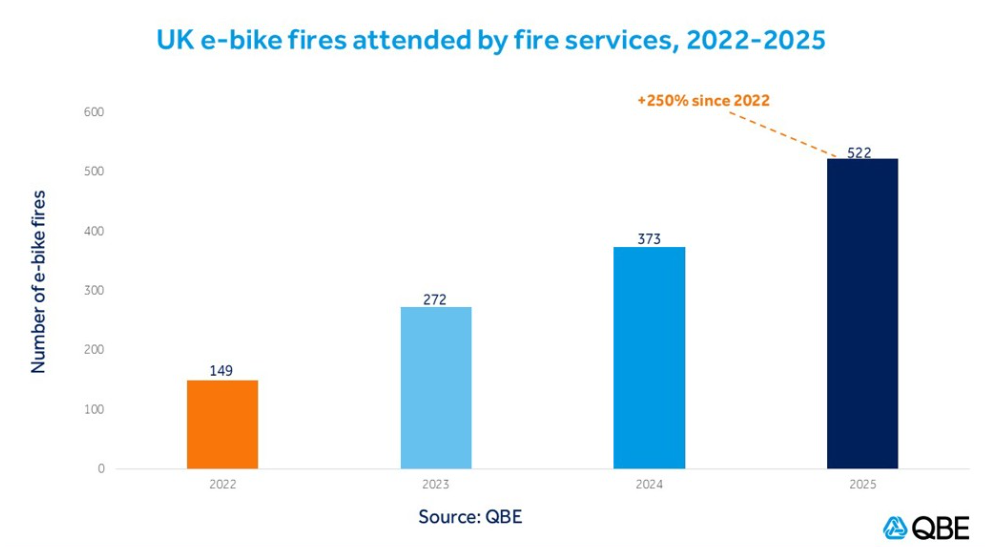
QBE have published a report on Lithium-ion battery fires in the UK.
- Lithium-ion battery fires reached 4.8 per day in 2025
- Incidents have risen 147% in three years
What about Bristol?
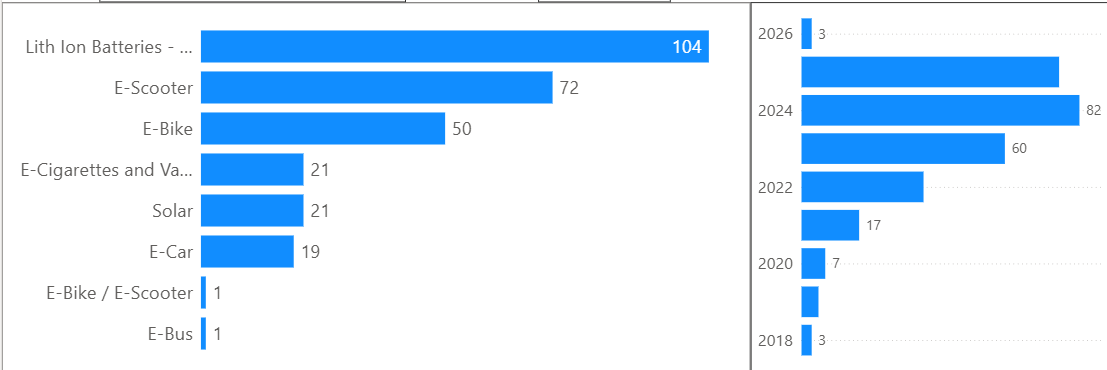
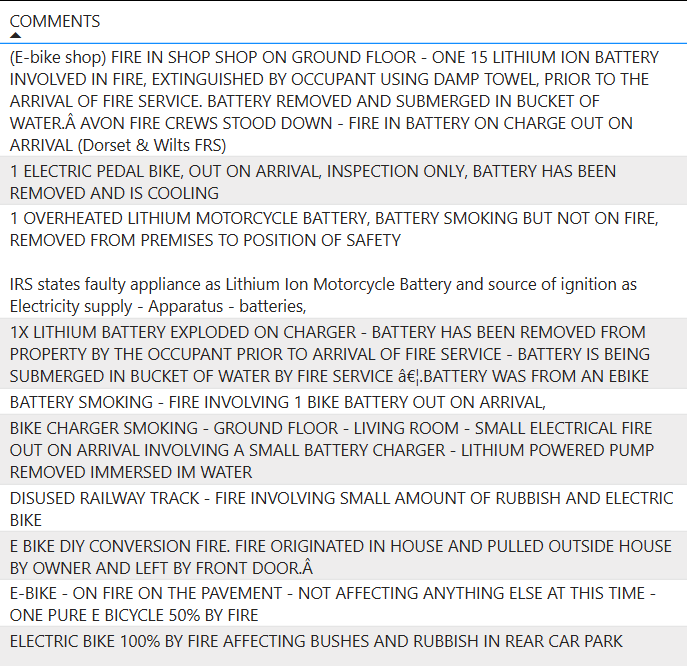
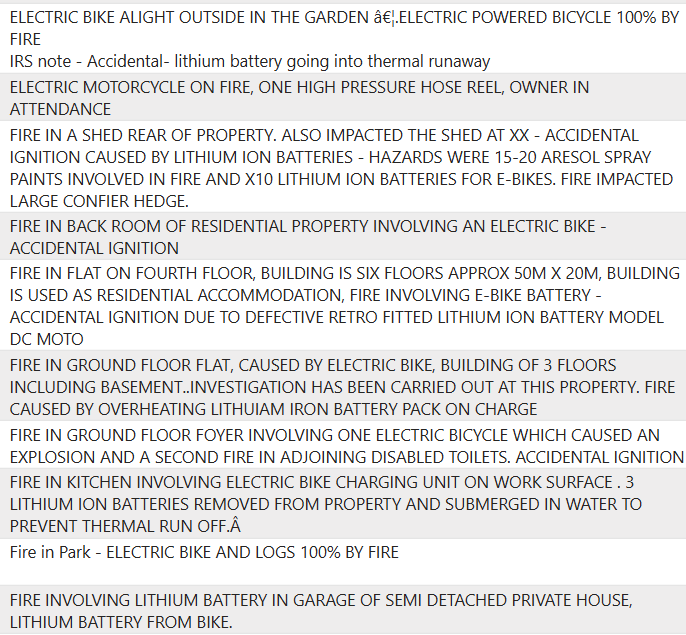
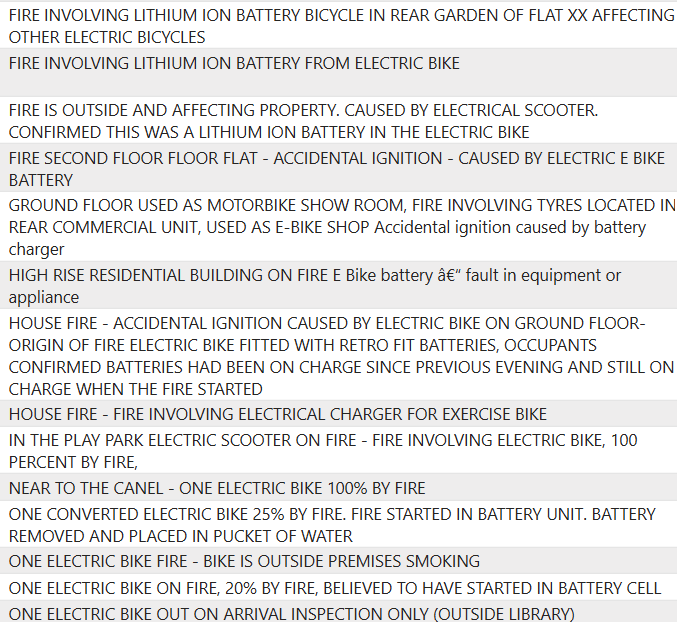
Using FOI data we can see what is happening in the Avon Fire and Rescue Service area.
E-Scooters
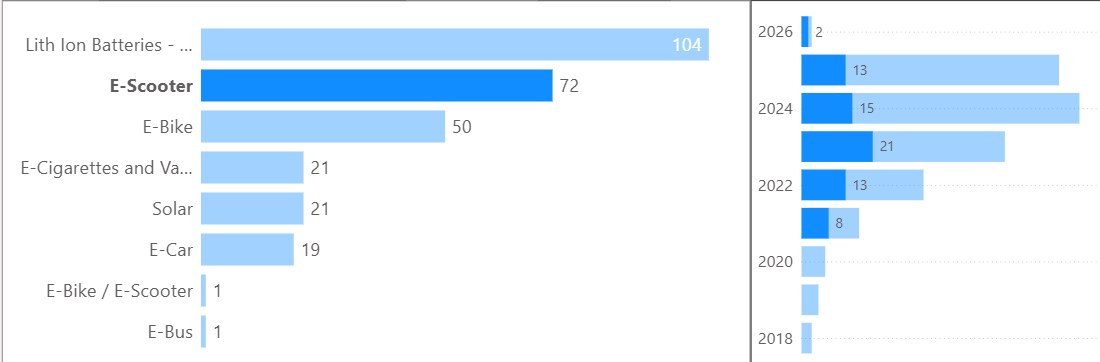
Most E-Scooter fires involve privately owned scooters:
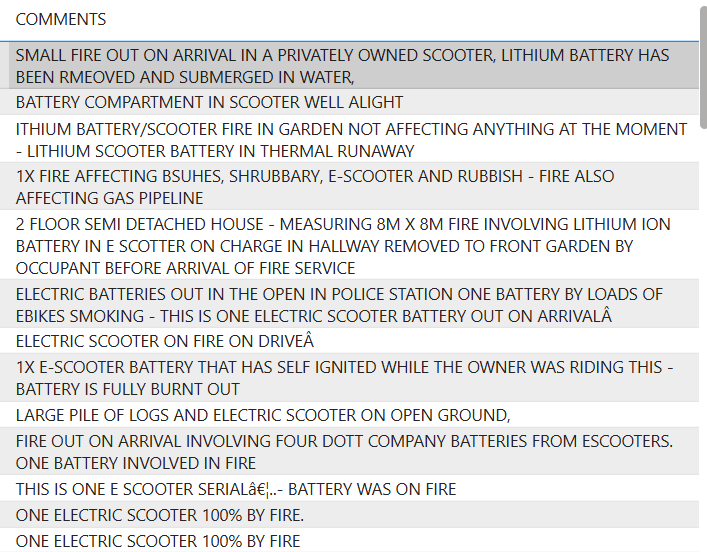
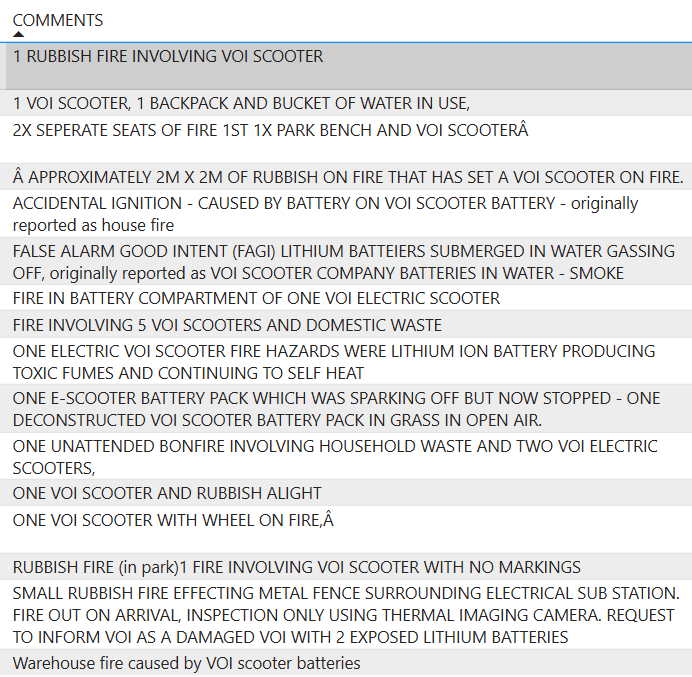
There are also problems with hired E-Scooters:
E-Bikes
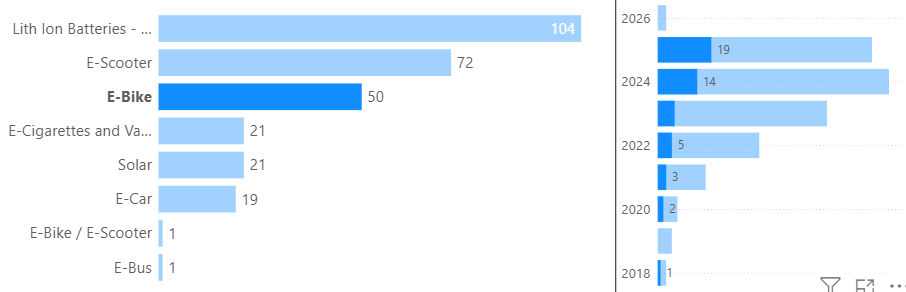
Perhaps it should be illegal to charge E-Bikes/Scooters in shared accommodation, due to the risk for other residents of the building.
Solar
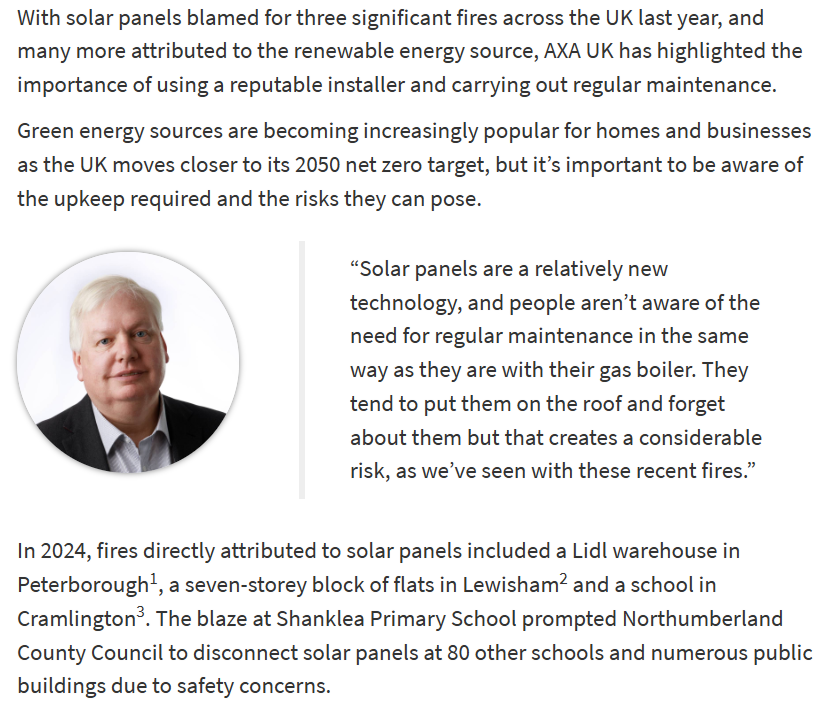
These type of fires are rising.
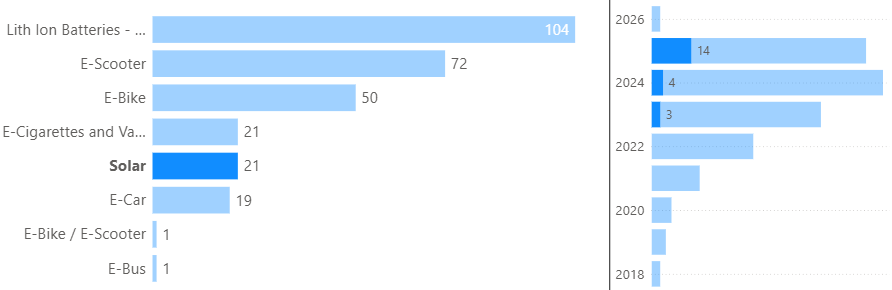
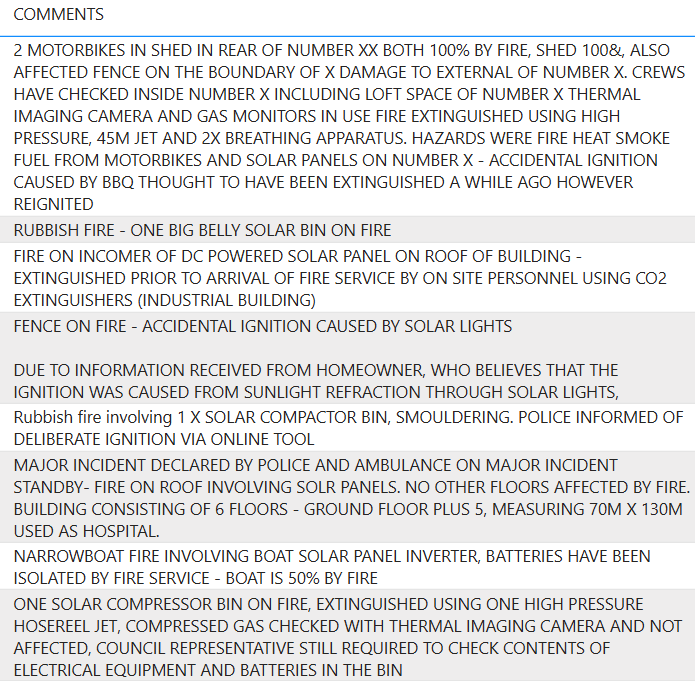
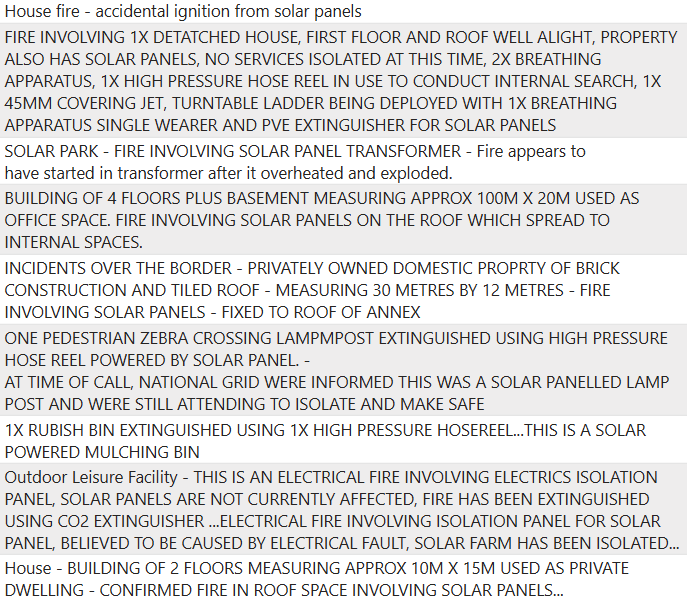
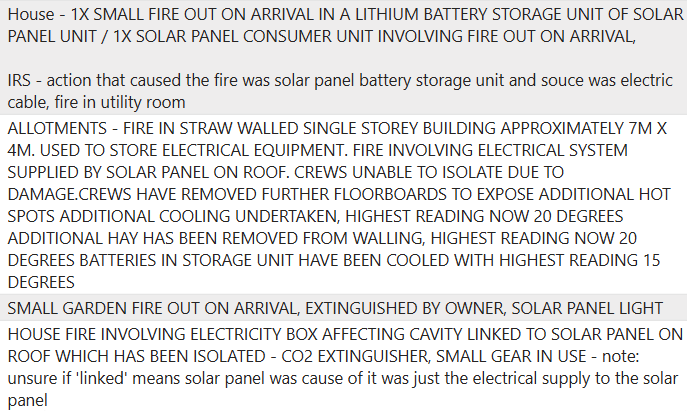
Insurers are paying more attention to Solar Panel related fire risks and using them could mean you have to pay higher insurance bills.
E-Cars
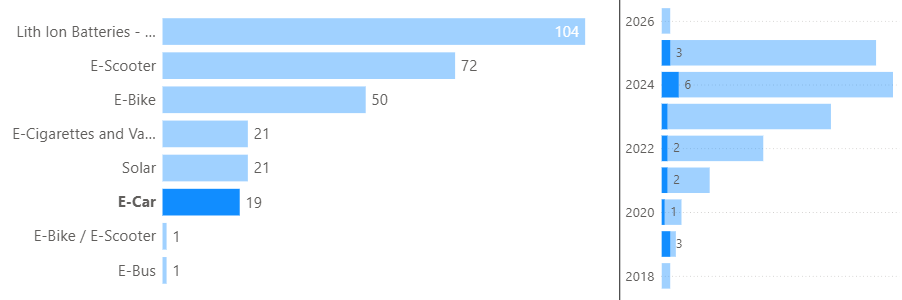
Some of these fires can take place when the car is being charged at home.
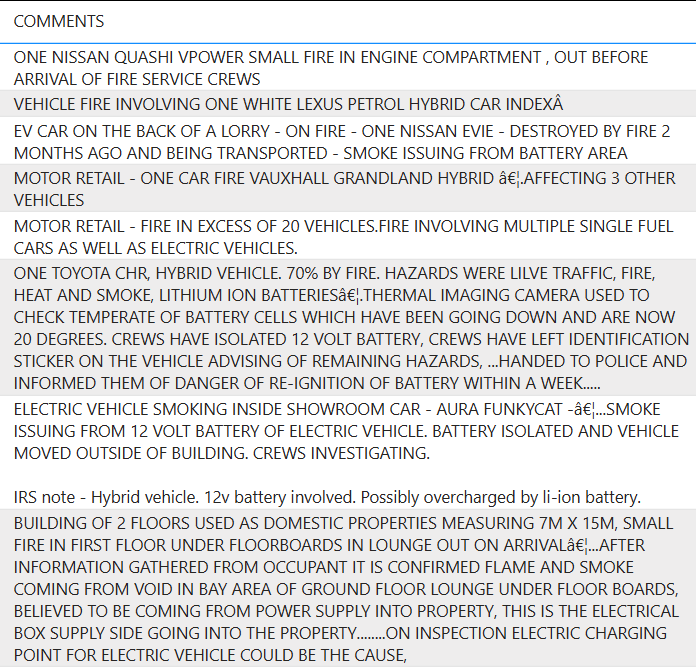
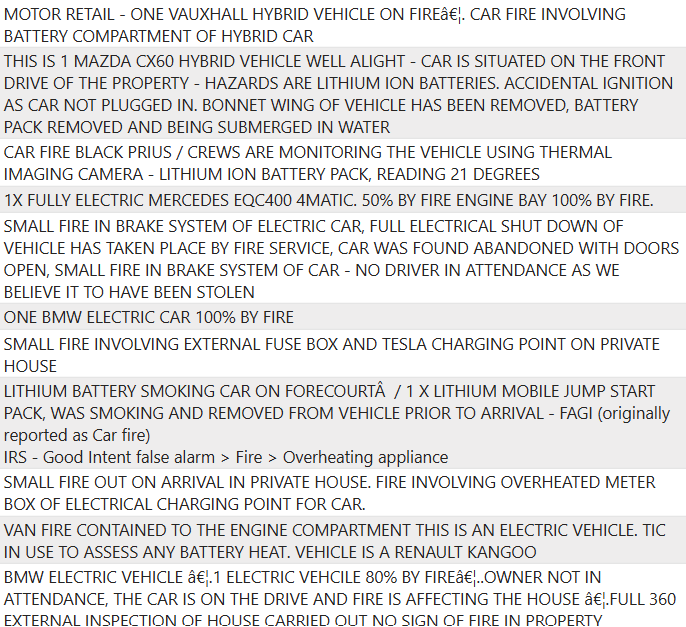
Fire Services are having to adjust their practices to deal with the increasing number of battery related fires.
Water remains the primary tool for dealing with EV fires, but the way it is used has changed.
With conventional vehicles, the goal is straightforward: extinguish the flames. With electric vehicles, the objective shifts to cooling the battery itself. Unless the temperature inside the pack is brought down sufficiently, thermal runaway can continue.
In practice, this often means prolonged water application—far beyond what would be expected for a petrol or diesel car fire. Crews may need to stay on scene for extended periods, applying water continuously to stabilise the battery.
The scale can be significant. A single incident may require far more water than a typical vehicle fire, placing additional demands on local resources and planning.
Comments ()