
How are Taxi Drivers getting on in Bristol?
There are 2 types of taxi
Hackney Carriage - You can get a hackney carriage from a taxi rank, or flag one down in the street.
Private Hire Vehicle - You must pre-book private hire vehicles and you cannot flag them down in the street. It's illegal for a private hire vehicle to take a journey that wasn't pre-booked, or to accept a fare by being hailed.
Out of Area Taxis
PHV's licenced in one area can operate anywhere in the country.
Many PHV Drivers get licenced in an area outside of where they live and operate, because it might be quicker to get licensed that way, or the criteria for getting a lenience might be less stringent.
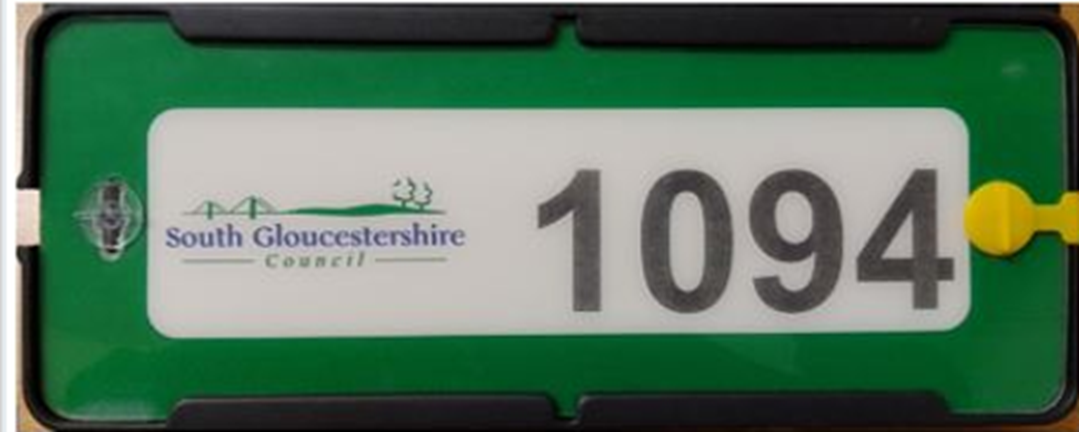
From anecdotal evidence it seems that most PHV's operating in Bristol are registered "out of area". Most PHVs I see are registered in South Glos, but some are registered as far away as Wolverhampton.
Bus Lanes in Bristol
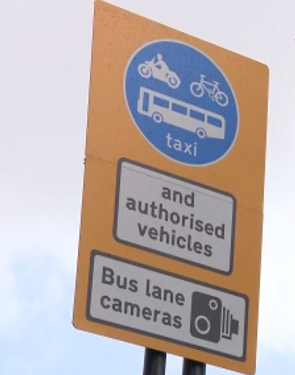
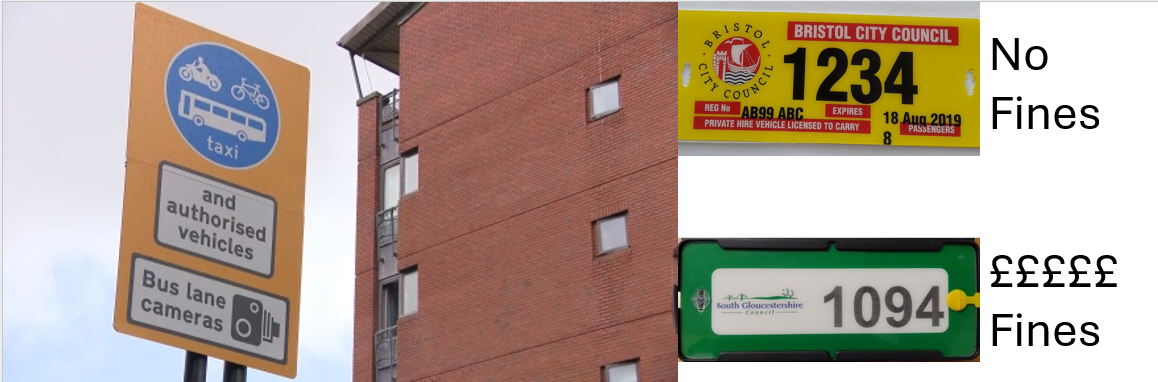
When people see these signs, they assume that any "Taxi" can use a bus lane legally. But this does not appear to be the case.
A Bristol Hackney Carriage, or a Bristol Licensed Private Hire Vehicle (PHV) can use bus lanes in Bristol, but PHV's registered in another licensing area cannot, and will be fined for using a bus lane.
Information on the licences and policies you should be aware of when working in the taxi trade (Bristol City Council)
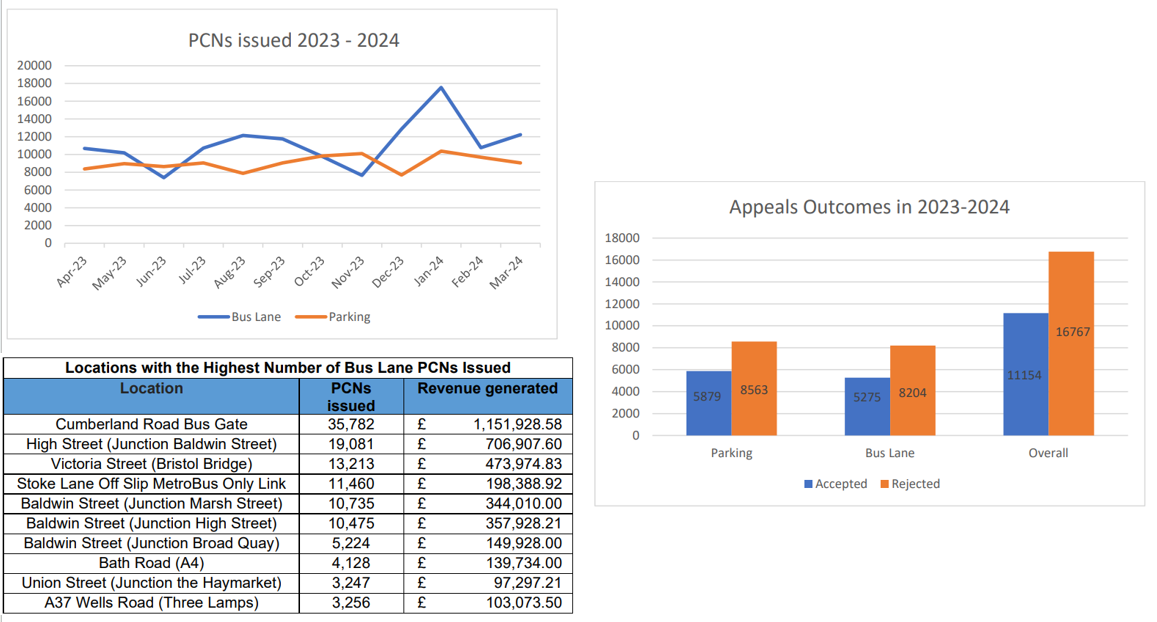
The Licensing Team produce a list of all current licensed vehicles in Bristol. They give the list to Parking Services. Where taxis and private hire vehicles are permitted to use bus lanes, these vehicles will not receive a Penalty Charge Notice (PCN).
The list contains only the vehicles licensed by Bristol City Council. We cannot add vehicles licensed with a different authority to the list.
If an "out of area" PHV driver appeals a bus lane PCN they are unlikely to be successful due to the explicit statement by BCC.
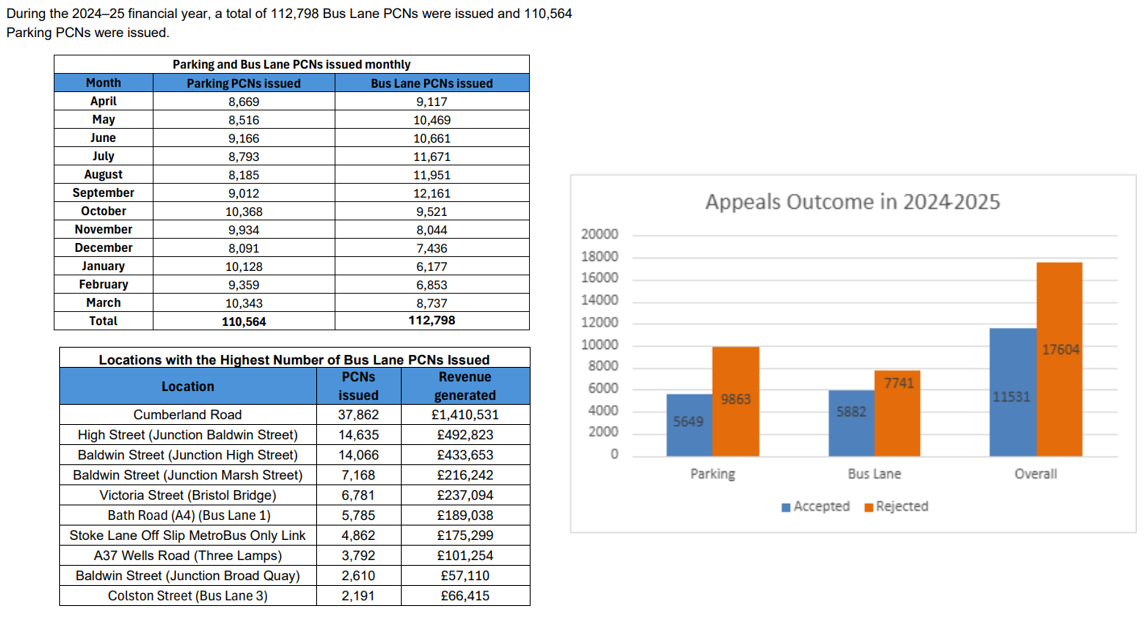
Figures for 2024/2025
Figures for 2023/2024
Fuel Prices
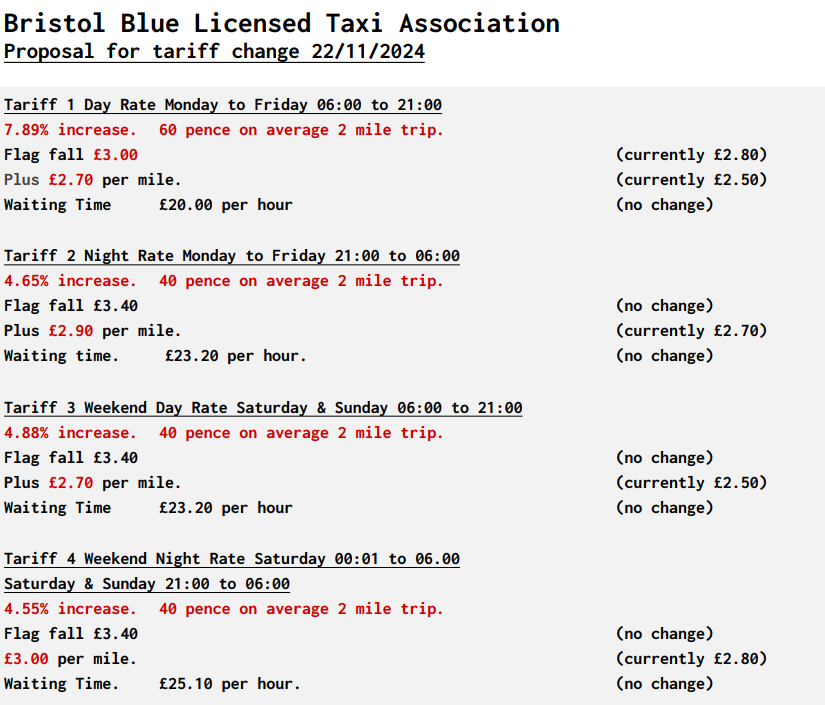
Anyone who has a car, can see how the recent increases in fuel costs makes it a lot more expensive to fill up.
This is also increasing the costs for Taxi Drivers and fare costs are increasing for customers.
Veezu introduces 20p fuel relief per journey for UK driver-partners
Veezu has introduced a 20p per journey fuel price relief scheme for its driver-partners across the UK, effective from 17 April 2026, as operators respond to ongoing cost pressures in the private hire sector.
The company said the measure will be funded through a 20p increase in passenger fares, with the full amount passed directly to drivers. The scheme is expected to generate an additional £250 to £350 per year for the average driver-partner, according to Veezu.
Bristol Hackney rates were last increased in April 2025. There have not been any proposed increases for April 2026.
Going Green
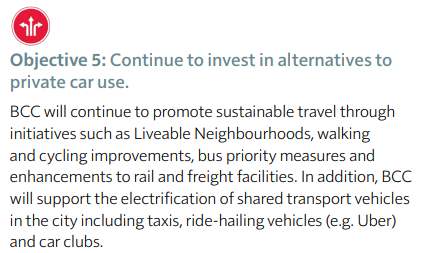
The Bristol Electric Charging Infrastructure Strategy implies that they want all PHVs in Bristol to be zero emission by 2030:

"Out of area" Taxi Changes
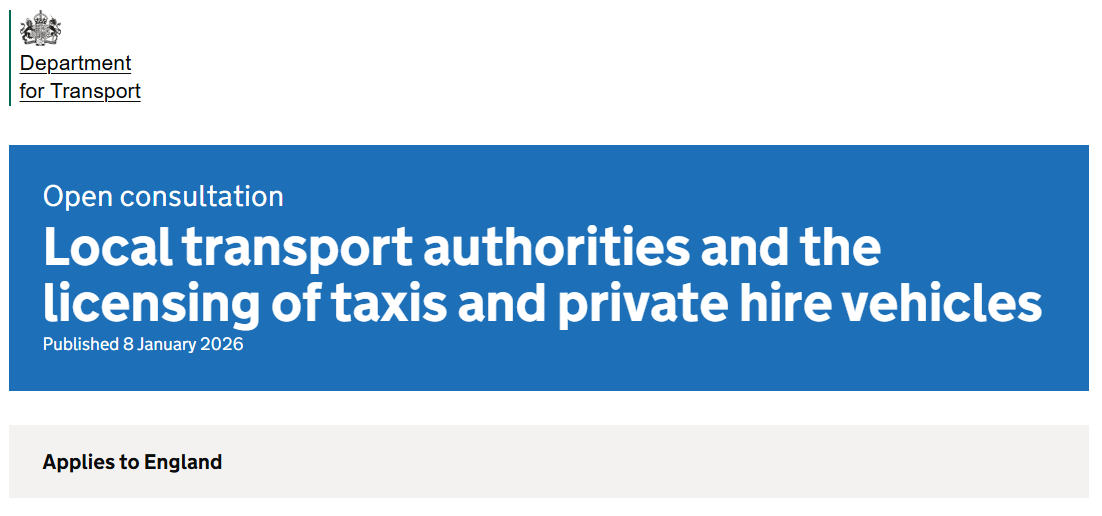
A Government Consultation is currently underway that could result in major changes being made to the licensing of taxis.
Taxis and private hire vehicles (PHVs) are an integral part of local transport networks. They are used by everyone in our communities, but especially low-income young women and those with mobility difficulties. Taxis and PHVs enable people to access the businesses, schools and hospitals in their area, provide the important ‘first-and-last mile’ of longer journeys on other modes and are often vital for late-night travel or reaching places not served by public transport.
People today do not live their lives within the boundaries of local authorities, they cross these invisible borders frequently, living in one area but working and socialising in others.
With evolving technology, people now book services more flexibly, but safety and reliability remain key priorities. All authorities must only grant licences to those who are fit and proper to hold one, or if the vehicle is safe to carry the public. Despite this, out-of-area working, where drivers license in one area but work elsewhere, is a major challenge. While most drivers are law-abiding and simply seeking efficient entry into the sector, this practice complicates enforcement and raises concerns about inconsistent licensing standards across local authorities.
As outlined in the English devolution white paper (EDWP), there are concerns about the challenges caused by out-of-area working, where people license away from the area in which they intend to work. These concerns were shared by Baroness Casey in her National audit on group-based child sexual exploitation and abuse report.
This legislation could result in WECA taking over the licensing work for the whole region, which would be more sensible than local authorities doing this work in an inconsistent manner.
How many Taxis operate in our area?
- The number of Hackney Cabs licenced in Bristol has dropped by 55% since 2017.
- The number of PHVs licenced in Bristol has dropped by 32% since 2017.
- The total number of Taxis licenced in Bristol has dropped by 41% since 2017.
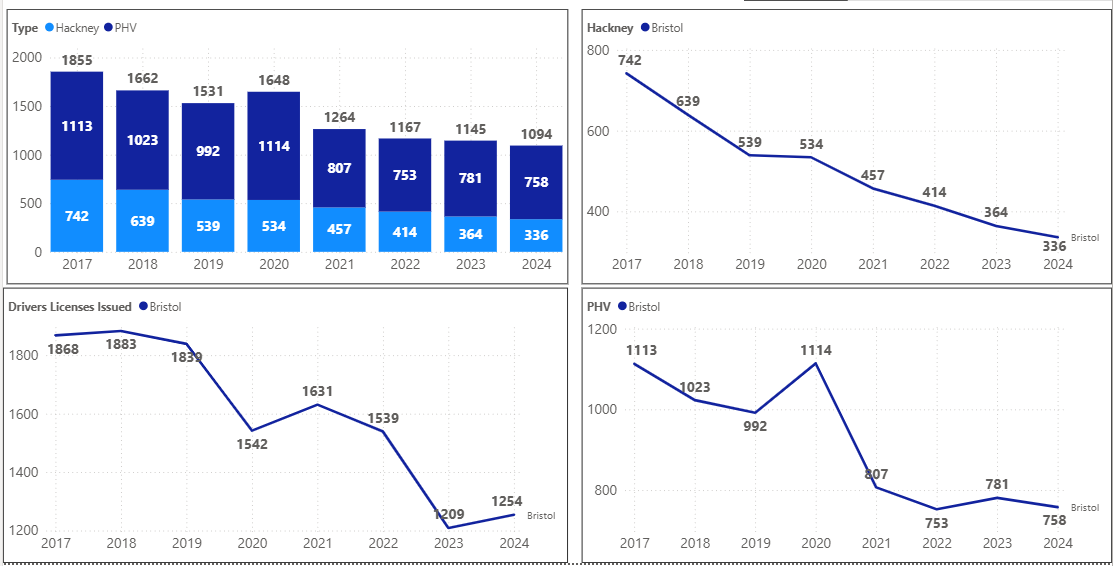
Looking at the figures from local licensing areas we can see that:
- The number of Hackney Cabs has dropped by 54% since 2017.
- The number of PHVs has increased by 90% since 2017.
- The total number of Taxis has increased by 40% since 2017.
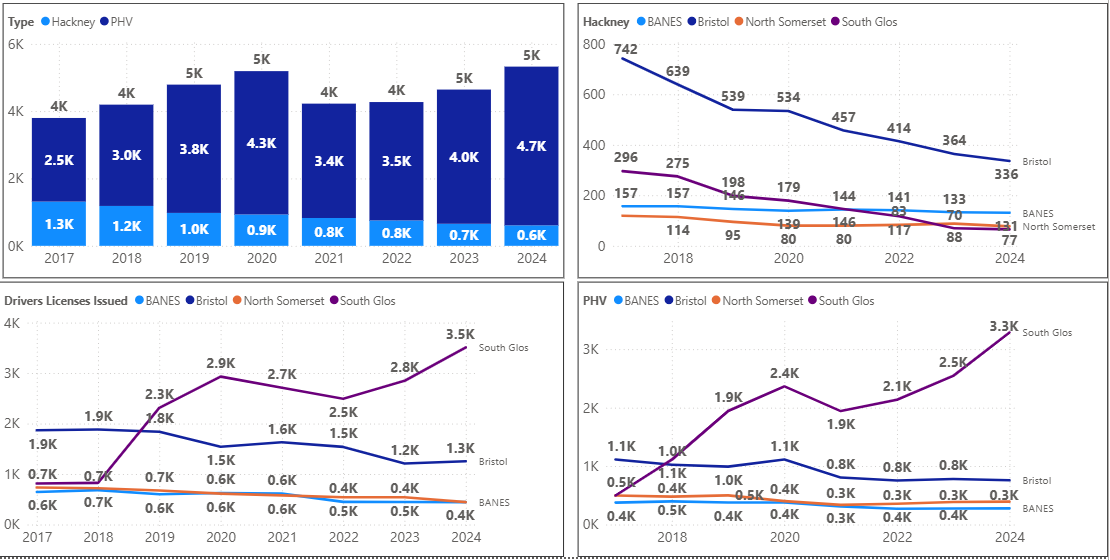
The increase in PHVs is explained by the increase in vehicles licensed in South Glos:
- The number of Hackney Cabs has dropped by 78% since 2017.
- The number of PHVs has increased by 560% since 2017.
- The total number of Taxis has increased by 322% since 2017.
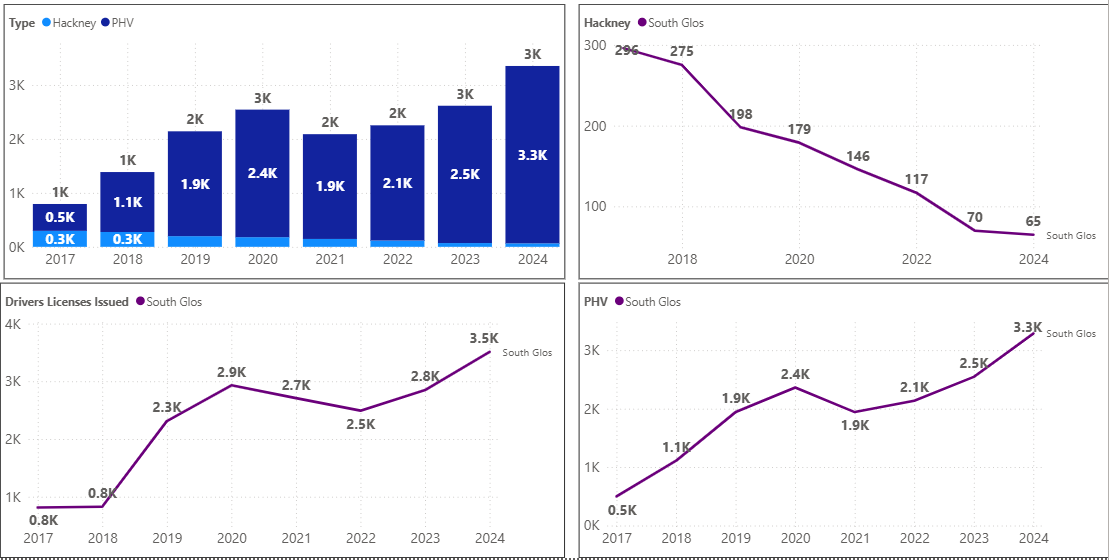
This massive in increase in the vehicles licenced in South Glos is propably explained by the different licensing systems operated in the region.
Bristol appear to run a inefficient system that does not meet the needs of local taxi operators.
The Bristol Taxi Forum meets very infrequently. The last meeting was held in July 2025.
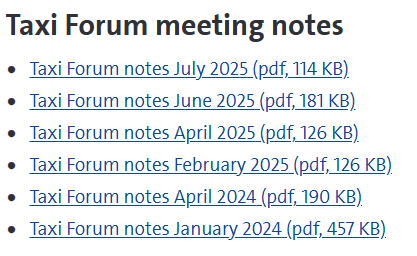
The notes for the July 2025 meeting are actually dated July 2024. Another example of the BCCs poor management of formal records.
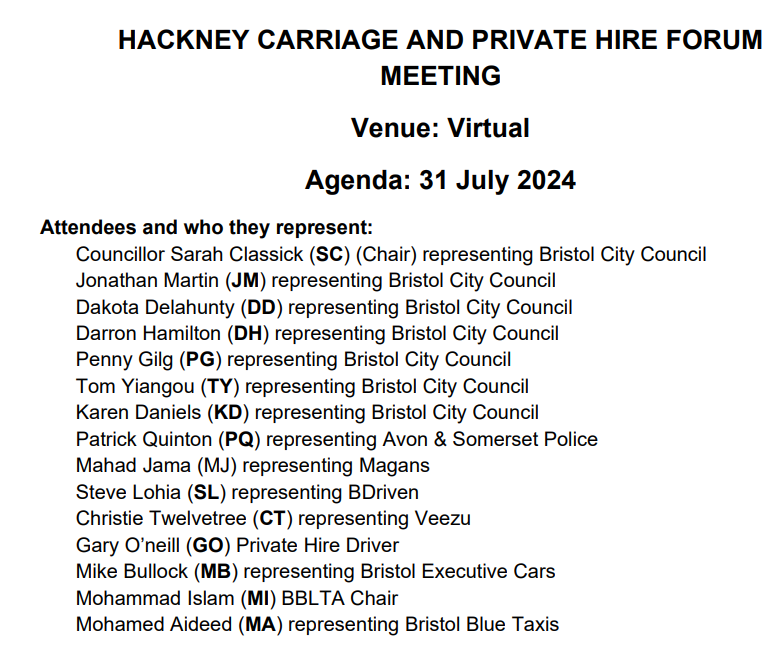
In South Glos the picture is very different.
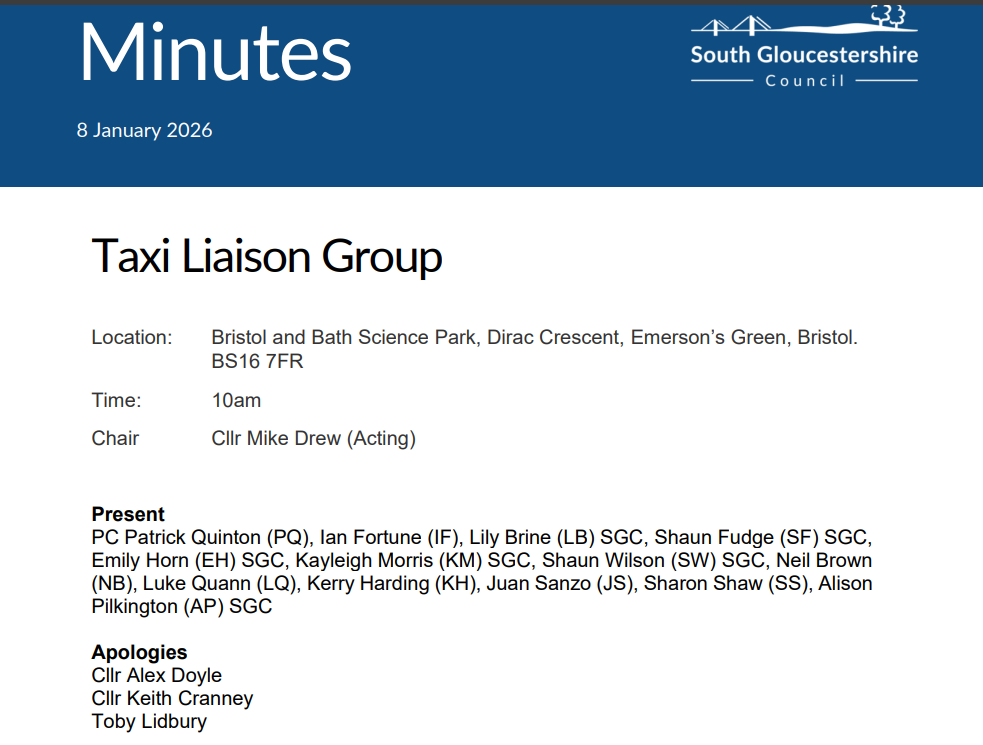
The Taxi Liaison Group meet every 3 months.
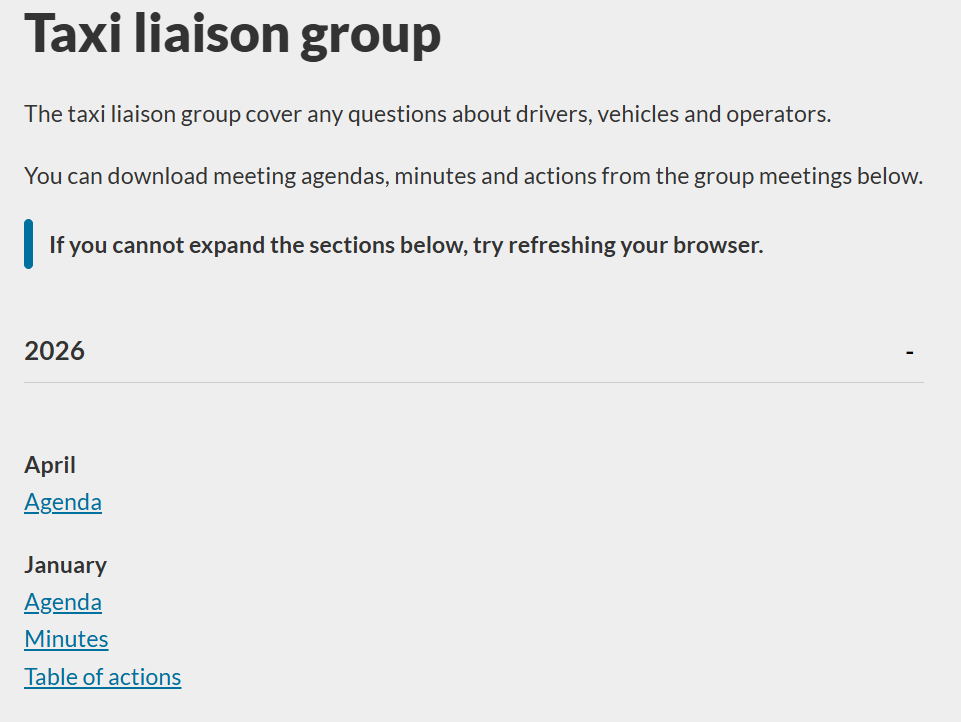
And publish accurate Minutes and Actions in a timely manner.
What about Disabled people?
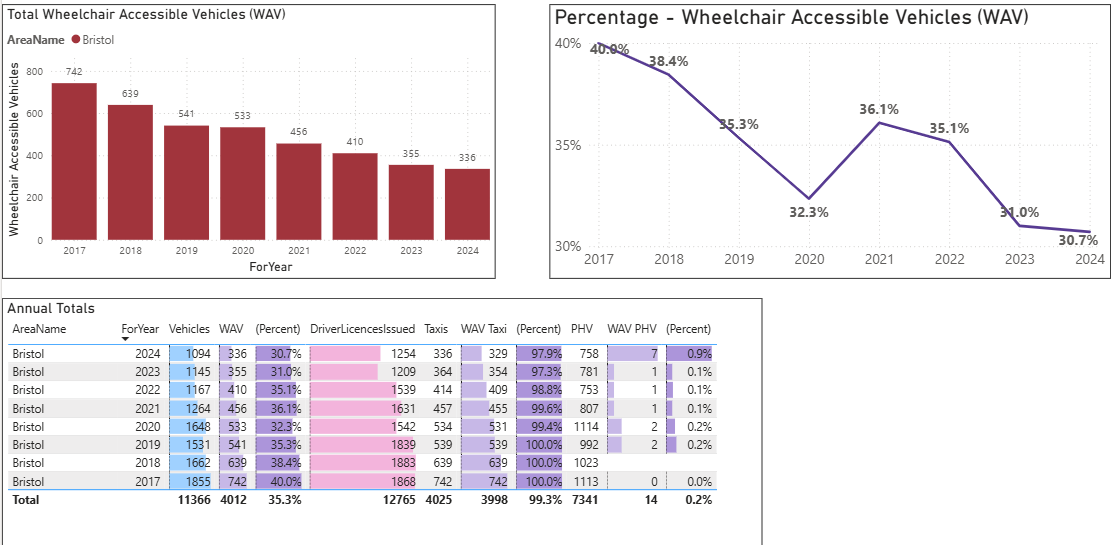
Looking at Wheelchair Accessible Vehicles (WAV) licensed in Bristol:
- The number of WAV taxis has dropped by 55% since 2017
Looking at the wider region:
- The number of WAV taxis has dropped by 49% since 2017
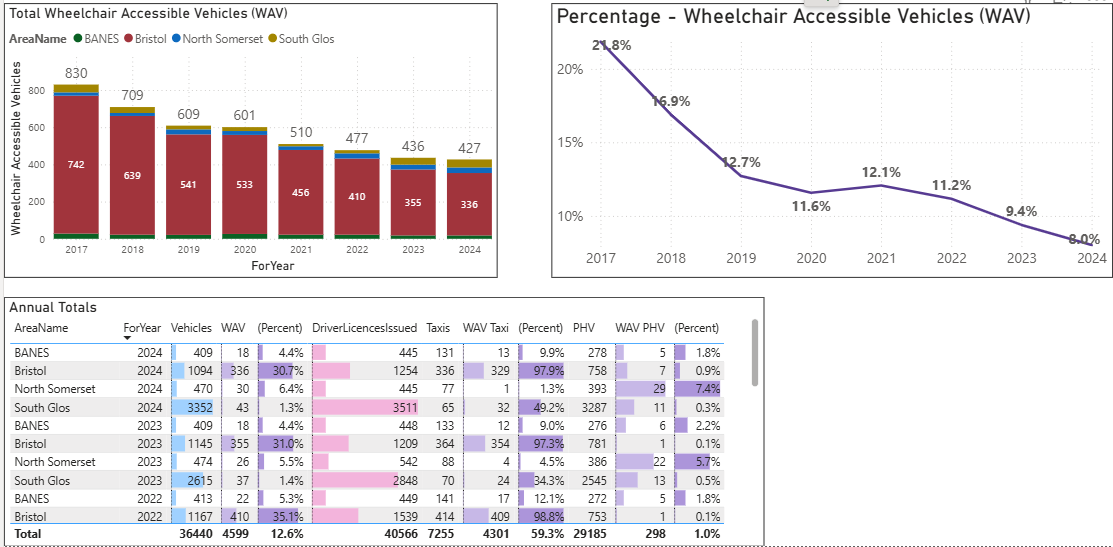
An Equality Impact Assessment was published in Jan 2025, which was related to the increase in rates for Hackney Cabs.
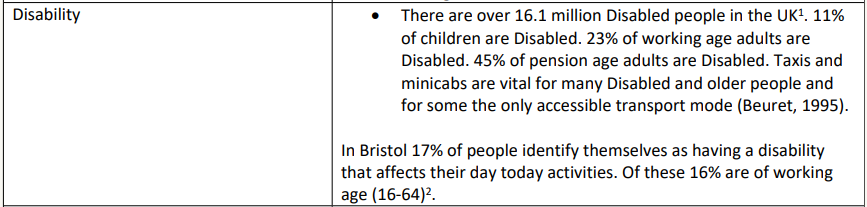
This acknowledges the vital importance of taxis for Disabled and older people, and the mitigation actions are:
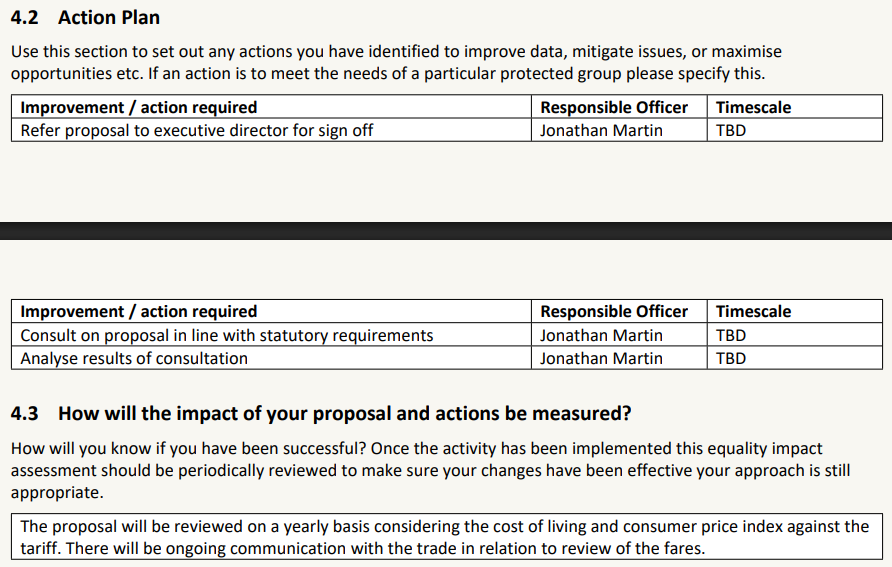
There is a statutory obligation to consult on Hackney Rate changes, but the Council only have to publish the rate changes in one newspaper, which fulfils their statutory requirement.
Given the reduction in the number of Hackney Cabs, the low number of WAV PHVs is likely to have a much bigger impact on disabled and older people. In 2024 only 7 (0.9%) of PHVs licenced in Bristol were Wheelchair Accessible.
Comments ()